
Toilet Repair
Toilet Repair in Troutdale: Know What's Wrong Before You Pay
Honest, reliable plumbing for Troutdale, Oregon & the surrounding Pacific Northwest
CCB# 257405
Licensed · Bonded · Insured
20 Yrs
Experience
Family
Owned & Operated
Troutdale, OR
East County Crew
What's Covered on This Page
- Signs Your Toilet Needs Professional Repair
- When You Can Try a Fix Yourself First
- Urgent Toilet Problems vs. Issues That Can Wait
- What Happens During a Toilet Repair Visit
- What Drives Toilet Repair Costs Up or Down
- Why is the water in my toilet bowl low and leaving a residue?
- Could my high water bill be a hidden toilet leak?
- My main drain keeps clogging with tree roots near my toilet drain line - is that a toilet problem?
Need Toilet repair?
Toilet Repair
Signs Your Toilet Needs Professional Repair
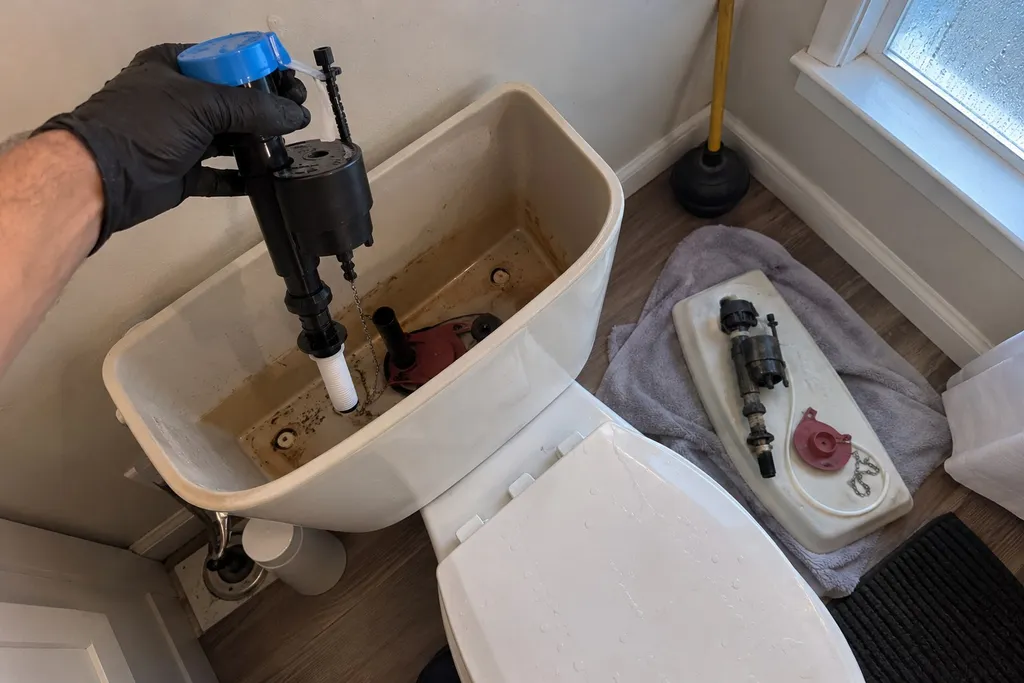
Toilet repair is usually smaller than people fear. A toilet is a simple machine. It has a few parts that wear out over time, like the flapper, the fill valve, and the wax seal under the base. When one of them fails, you get a running tank, a weak flush, or a puddle. That doesn't mean the whole toilet is done. The real question is which part failed and whether the damage has spread past the toilet itself.
Here are the signs that mean it's time to call someone in:
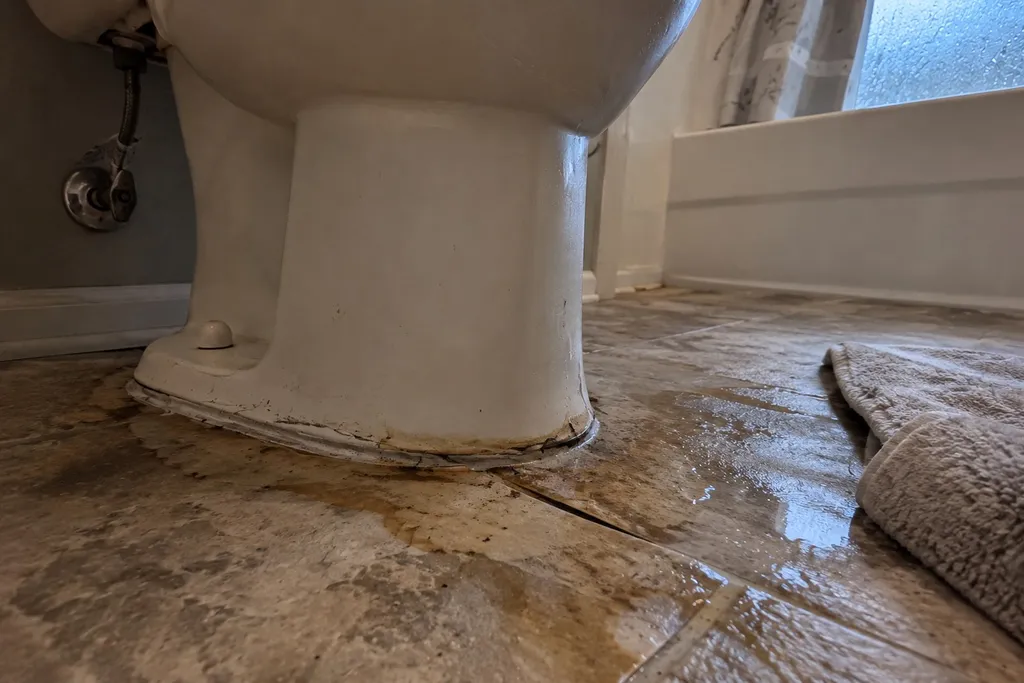
- Water around the base. This often points to a failed wax seal. Water can seep under the flooring before you ever see much of it on top, so don't wait on this one.
- The toilet rocks or shifts when you sit. A loose toilet can break the seal underneath and let water and sewer gas escape.
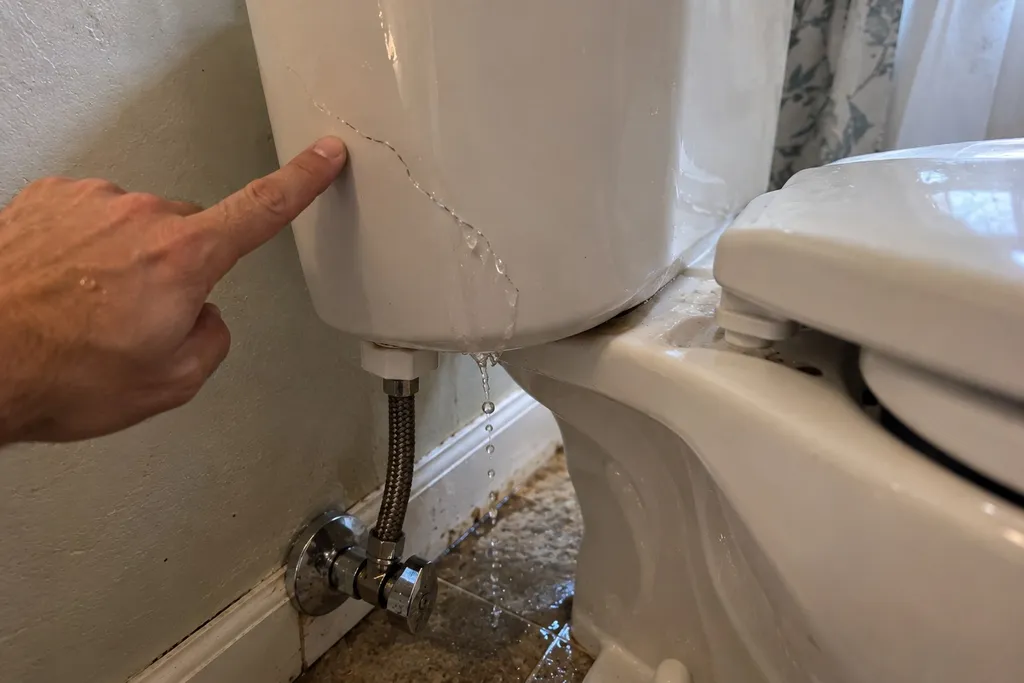
- A crack in the tank or bowl. Even a hairline crack can let go without warning. That's not a part swap.
- Clogs that keep coming back. If the plunger works for a day and then the clog returns, the problem may be farther down the line than the toilet.
- A soft or stained floor near the toilet. That's a sign water has been getting out for a while.
- Water running nonstop after you've already replaced the flapper. The fill valve or another part inside the tank may be the problem.
Now for the honest part. Not every toilet problem needs a plumber. If your toilet runs now and then, or refills by itself every so often, the flapper is often worn out. Flappers are cheap and easy to find at any hardware store, and lots of folks swap one in a few minutes. A jiggle handle that sticks can often be fixed by adjusting the chain. A single clog usually clears with a good plunger. If that's all you're dealing with, give it a try first. We'd rather you save the money.
Call when the problem is water where it shouldn't be, a toilet that won't sit still, or a fix that didn't last. Those problems can grow into floor damage or a bigger leak if you leave them.
When we come out, our job is to tell you what's wrong. Sometimes that's a part, and sometimes it really is time for a new toilet. You'll get the straight answer either way. Owner Kevin Brain has 20 years in plumbing, and Bigfoot Plumbing is family owned and right here in Troutdale. We're licensed, bonded, and insured in Oregon under CCB# 257405. If your toilet has crossed into call-a-plumber territory, we're glad to help.
Toilet Repair
When You Can Try a Fix Yourself First
We meant it when we said we'd rather you save the money. Beyond the flapper, chain, and plunger fixes above, there are a few more small jobs most folks can handle with a towel, a screwdriver, and a little patience. Here's where to start, and where to stop.
Before you touch anything, find the shut-off valve on the wall behind the toilet. Turn it clockwise until it stops, then flush to drain the tank. If the valve won't budge, or it starts to drip when you turn it, stop there. Older valves can stick or leak once they're moved. Forcing one can turn a small toilet job into a wet floor. If your valve is stuck or worn out, that's worth fixing on its own, since it's the first thing you'll reach for in a real leak. We do emergency shut-off valve installation for that reason.
Once you know you can shut the water off, these checks are fair game:
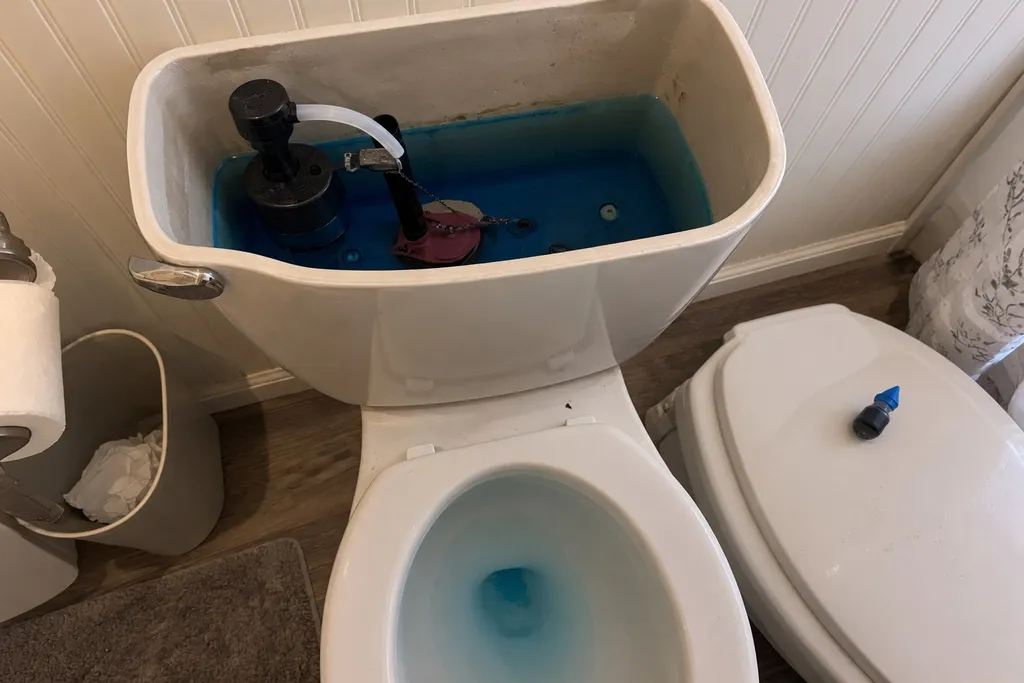
- Test for a silent leak. Put a few drops of food coloring in the tank and don't flush for about 15 minutes. If color shows up in the bowl, water is slipping through from the tank. That's often the flapper or the seat it sits on.
- Check the water level in the tank. If water keeps spilling into the tall open tube in the middle, the level is set too high. Most fill valves have a float you can lower with a small screw or clip. The tank usually has a line marked inside to show where the water should stop.
- Look at a slow-filling tank. Make sure the shut-off valve is turned all the way open. A valve that's only partly open can make the tank take forever to refill.
- Help a weak flush. Check that the tank fills to its marked line. If it stops short, the flush won't have enough water to do its job.
- Tighten a wobbly seat or loose handle. Seat bolts and the nut inside the tank behind the handle can work loose over time. Snug them by hand or with a screwdriver.
Give yourself a fair shot, but know when to set the tools down. If you've tried one of these fixes and the problem comes right back, something else is going on. The same goes if water shows up somewhere new while you're working, or if you find water under the tank that wasn't there before. Those are signs the problem is bigger than an adjustment.
There's no shame in calling after you've given it a go. Tell us what you already tried. It helps us get to the real cause faster, and it means you won't pay for a part you've already replaced. Kevin has spent 20 years in plumbing, and he'll tell you straight if the fix you made was the right one and something else failed too.
Toilet Repair
Urgent Toilet Problems vs. Issues That Can Wait
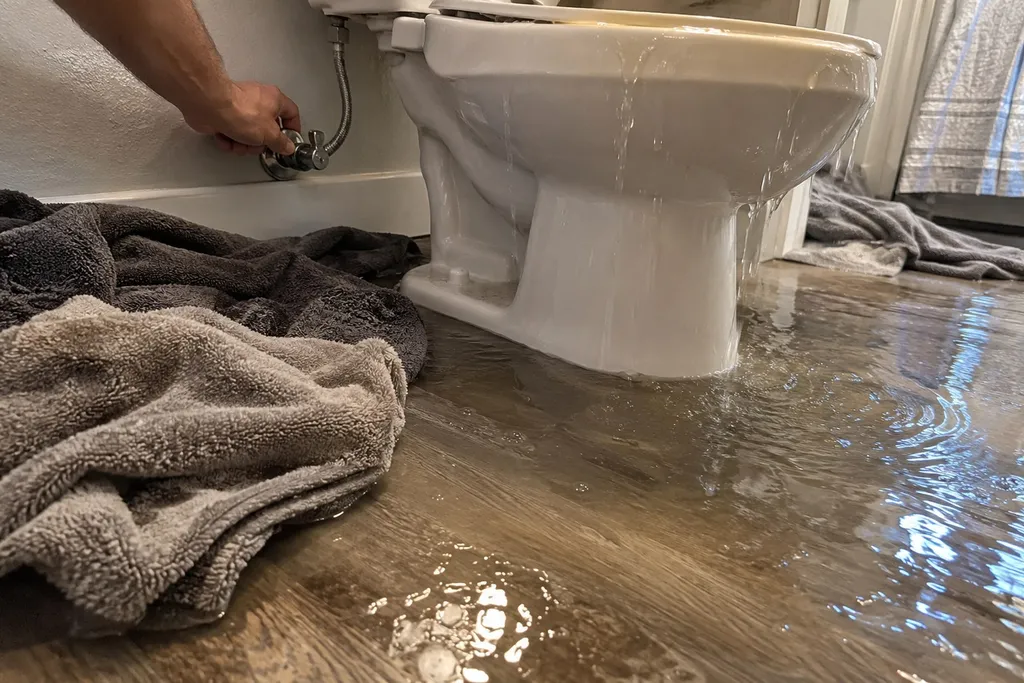
Not every toilet problem is an emergency, even when it feels like one. The thing that decides it is simple: where is the water going? If it's staying inside the toilet, you've usually got time. If it's going onto your floor, through your ceiling, or back up your drains, you don't.
Here's how we'd sort it if you were asking us across the fence.
Call now, day or night:
- The toilet is overflowing and the shut-off valve won't close it. Turn off the main water to the house if you can, then call.
- Water is dripping through the ceiling below an upstairs bathroom. That water has already found its way into the floor and drywall.
- Flushing makes water or sewage come up in the tub, shower, or a floor drain. That usually means the trouble is in the main line, not the toilet.
- The supply line behind the toilet has split or is spraying, and you can't stop it.
- A crack in the tank or bowl is actively leaking.
- It's the only toilet in the house and it can't be used at all. That's a real problem for a family, and it's a fair reason to call.
Book soon, within a few days:
- Water around the base that you can wipe up and that isn't spreading.
- A toilet that rocks but isn't leaking yet.
- Clogs that keep coming back after you plunge them.
- A soft or stained spot on the floor near the toilet.
These won't flood the house tonight. They are the slow kind of damage, though. Water that gets out a little at a time can rot a subfloor long before it looks bad from the top. Waiting a few days is fine. Waiting a few months is how a small part becomes a floor repair.
Can wait for a regular visit, or a try on your own:
- A toilet that runs or refills by itself now and then.
- A tank that fills slowly.
- A weak flush that still clears the bowl.
- A loose seat or a sticky handle.
A running toilet wastes water and can bump up your bill, so don't ignore it forever. But it isn't hurting your house, and it's not worth an after-hours call. If the fixes covered above didn't solve it, it can go on the list for a normal weekday visit.
One more thing worth saying: if you're not sure which group you're in, call and describe what you see. We'd rather tell you it can wait until morning than have you pay for an emergency you don't have. And if it really can't wait, Bigfoot Plumbing offers emergency plumbing repair, so you're not stuck with a mess until Monday.
Toilet Repair
What Happens During a Toilet Repair Visit
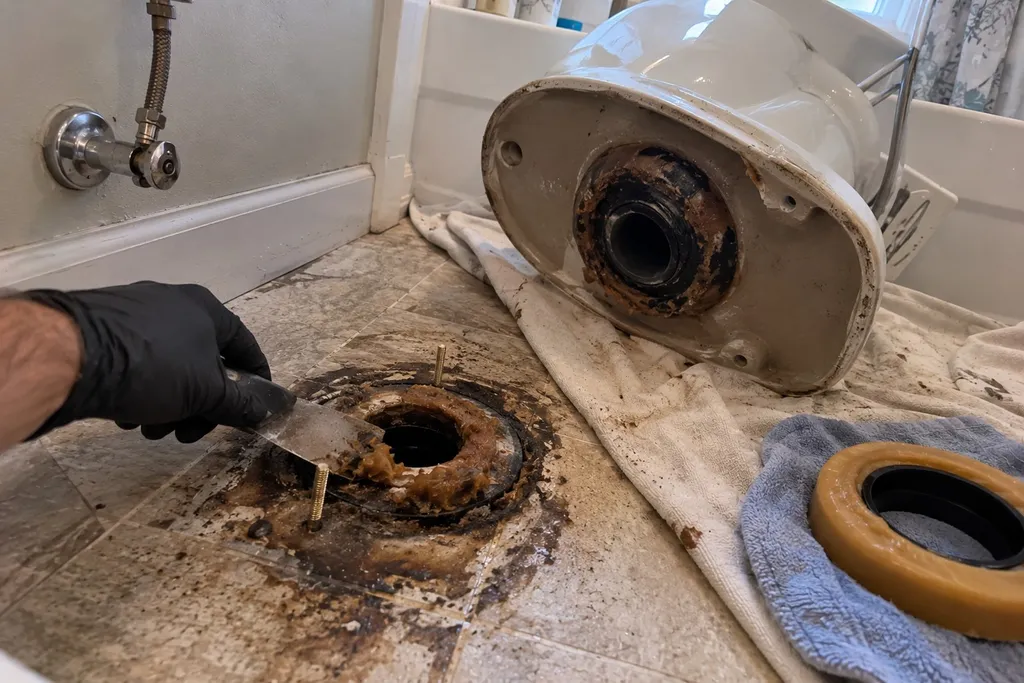
A toilet repair visit should start with finding the cause, not with a sales pitch. A good plumber looks before quoting. That means checking inside the tank, looking at the base and the floor around it, and seeing whether the toilet rocks. If the problem is a clog that keeps coming back, they'll want to know whether other drains in the house are slow too. That helps show whether the trouble is in the toilet or farther down the line.
Once the cause is clear, most toilet repairs fall into a few common jobs:
- Tank part replacement. A worn fill valve, flush valve, or flapper seat gets swapped out. The toilet stays in place, and this is usually the quickest kind of repair.
- Resetting the toilet on a new wax seal. The water gets shut off and the tank drained, and the toilet gets lifted off the floor. The old wax gets scraped away and a fresh seal goes on. Then the toilet is set back down and bolted snug. This is the usual fix for water at the base or a toilet that rocks.
- Checking the flange. With the toilet up, the plumber can see the ring that anchors it to the drain pipe. If the flange is cracked or broken, it needs repair before a new seal will hold.
- Replacing the supply line or tank gasket. A dripping hose behind the toilet, or water leaking from between the tank and bowl, often comes down to one worn rubber part or line.
- Clearing a stubborn clog. When a plunger won't do it, a toilet auger can reach blockages stuck in the bowl's built-in trap.
When the toilet comes up, the floor underneath finally shows itself. If the wood is soft or dark, water has been getting out for a while. You should hear about that right then, before anything gets bolted back down, so you can decide what to do about it.
Cost is usually where people get nervous. Plumbers mostly price toilet work one of two ways. Some charge a flat rate for each job, so you know the price before work starts. Others charge by the hour plus parts. Either way, a few things push the price up or down:
- Whether the toilet has to come off the floor or the fix happens inside the tank
- The parts needed, since some toilets use parts made just for that model
- A broken flange or damaged subfloor found under the toilet
- Clogs that turn out to be in the main line, not the toilet
- After-hours or emergency timing
Before you hire anyone, it's fair to ask a few questions. Is the price flat or hourly? Does it include parts? Will they check with you before doing anything extra? And if they say the toilet should be replaced, why? A plumber who can't explain that in plain words is a plumber worth thinking twice about.
To get ready, clear the floor around the toilet and move anything stored on the tank lid. Put out a towel or two, and keep pets and kids out of the bathroom. If you know about how old the toilet is, mention it. Older toilets can be harder to find parts for, and that can change whether repair or replacement makes more sense.
Toilet Repair
What Drives Toilet Repair Costs Up or Down
You've already seen how plumbers price toilet work and what can raise a quote. The bigger question is usually this one: when does fixing your toilet stop being the smart money move? Most of the time, a worn part is the cheapest answer by a long way. But there are a few cases where putting money into the old toilet doesn't pay off.
Repair usually makes sense when:
- The porcelain is whole, with no cracks in the tank or bowl.
- The problem is one part, like a fill valve, flapper seat, wax seal, or supply line.
- Parts for your model are still easy to find.
- This is the first real problem the toilet has had in years.
Replacement starts to make more sense when:
- The tank or bowl is cracked. No part fixes cracked porcelain.
- The toilet needs a part made just for that model, and the part is hard to find or costs close to what a new toilet would.
- You've paid for one fix after another, and something new keeps failing.
- It's an older toilet that uses a lot of water every flush, and you'd be fixing it just to keep paying for that water.
Some costs have nothing to do with the toilet itself. They come from the plumbing and the house around it. A shut-off valve that's seized or drips when it's turned may need replacing before anyone can work safely. An old supply line might crack the moment it's moved. If the bathroom is upstairs and water has already come through the ceiling, the plumbing fix is only part of the job. The drywall below may need its own repair after that. None of these are upsells. They're what turns up when water has been somewhere it shouldn't be.
The best way to keep the bill small is timing. A wax seal caught early is a reset. The same seal left leaking for months can mean a reset plus floor work, as we covered above. Trying the simple fixes yourself first and telling us what you tried helps too. That way you're not paying twice for the same part.
Here's how we handle the repair-or-replace call. If fixing your toilet costs more than it's worth, we'll say so. And if a cheap part is all it needs, we'll say that too, even when a new toilet would be a bigger ticket for us. Kevin started Bigfoot Plumbing to do honest work at fair prices, and that's the whole point. We're family owned, based here in Troutdale, and licensed, bonded, and insured in Oregon under CCB# 257405.
One more way to save: we offer 10% off for veterans, first responders, and seniors. Just let us know when you call.
Common Questions
Frequently Asked Questions
Why is the water in my toilet bowl low and leaving a residue?
+
Low bowl water with residue usually points to a partial blockage or a vent issue letting water siphon out slowly. This is different from a running tank problem, since it affects the standing water level rather than the fill cycle. If plunging doesn't bring the water level back to normal, it's worth having a plumber check the trap and vent line before it turns into a full clog.
Could my high water bill be a hidden toilet leak?
+
Yes, a running or silently leaking toilet is one of the most common causes of a surprise water bill jump. Even a flapper that only lets a trickle through can waste a large amount of water over weeks without ever making an obvious sound. The food coloring test described above is the easiest way to check before you call anyone.
My main drain keeps clogging with tree roots near my toilet drain line - is that a toilet problem?
+
Not usually, root intrusion is a sewer line issue rather than something wrong with the toilet itself. If your toilet clogs repeatedly along with slow drains elsewhere in the house, the real problem is likely farther down the line, not inside the toilet. That combination is one of the signs mentioned above that means it's time to call instead of plunging again.
Troutdale, Oregon
Related Troutdale Services
Need Plumbing Help?
Get Help Today from
Bigfoot Plumbing
Troutdale, Fairview, Wood Village, Gresham and the homes east toward Corbett. Call the Troutdale number and talk to someone who does this for a living.
10% Off for Veterans · First Responders · Seniors