
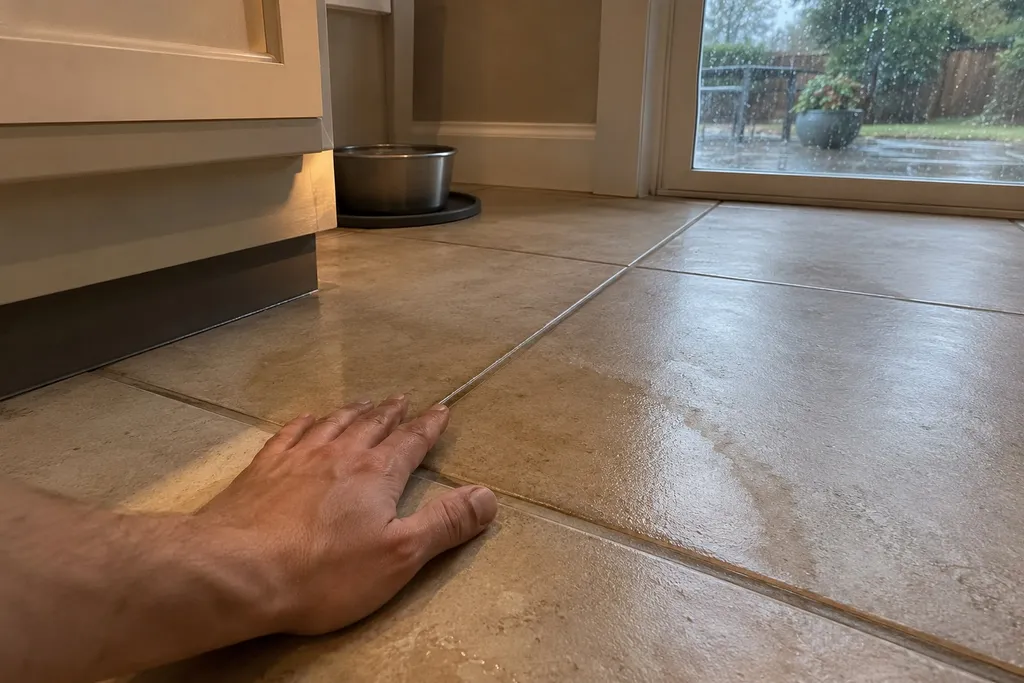
Slab Leak Repair
Slab Leak Repair in Troutdale: Know Before You Call
Honest, reliable plumbing for Troutdale, Oregon & the surrounding Pacific Northwest
CCB# 257405
Licensed · Bonded · Insured
20 Yrs
Experience
Family
Owned & Operated
Troutdale, OR
East County Crew
What's Covered on This Page
- Signs Your Home Has a True Slab Leak
- When It Is Not a Slab Leak
- How a Slab Leak Is Found Before Any Repair
- Choosing Between Direct Access and Rerouting the Pipe
- Why Licensing Matters for Under-Slab Work
- Will homeowners insurance pay for a slab leak?
- Should I repipe the whole house instead of just fixing the one leak?
- Do regular plumbers handle slab leaks, or do I need a specialist?
Need Slab leak repair?
Slab Leak Repair
Signs Your Home Has a True Slab Leak
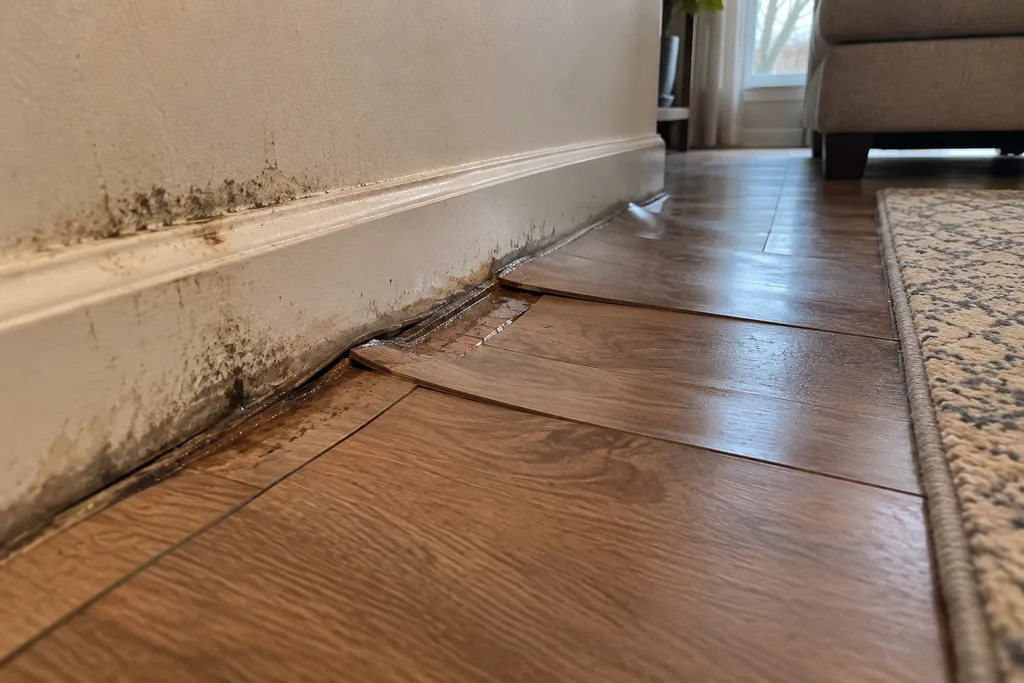
Slab leak repair means fixing a water line that's leaking under your home's concrete floor. Because those pipes are buried, you rarely see the leak itself. You see what it does to your house. The right fix starts with knowing for sure where the leak is, then deciding how to reach it. Nobody should be breaking up your floor based on a guess.
These are the signs that point to water escaping under the slab:
- A warm or hot spot on the floor. If a hot water line is leaking, you might feel heat through tile or laminate, often in one spot you can trace with your bare feet.
- Running water sounds when everything is off. A faint hiss or trickle near a wall or floor, with no faucets, toilets, or appliances running, is a big clue.
- A water bill that jumps for no reason. Your habits haven't changed, but the bill keeps climbing month after month.
- Damp carpet, swelling wood floors, or lifting tile. Water pushes up from below and soaks the flooring from the bottom.
- A musty smell or mildew near baseboards. Hidden moisture tends to show up in your nose before your eyes.
- Your water heater runs more than it should. A hidden hot water leak keeps pulling fresh water into the tank, so it keeps heating.
- Water pressure that drops at your fixtures. Water lost under the floor is water that never makes it to your shower.
One sign alone doesn't prove much. Two or three together is when you should take it seriously.
There's a simple check you can do yourself. Turn off every faucet, appliance, and sprinkler in the house. Then go look at your water meter. If the dial or the small leak indicator is still moving with nothing running, water is going somewhere. That doesn't tell you it's under the slab, but it does tell you there's a leak worth finding.
Before you assume the worst, rule out the usual suspects. A lot of what looks like a slab leak turns out to be something much simpler:
- A toilet that runs or refills on its own can spin the meter and raise your bill all by itself.
- A leaking outdoor spigot, hose, or irrigation line can make the meter move while the house stays dry.
- A damp spot near an exterior wall after heavy rain may be groundwater or a drainage issue, not a pipe.
- Condensation on cold pipes or around a water heater can leave puddles that come and go.
If one of those is the cause, you don't need a slab leak repair at all, and we'll tell you so. If your house checks several boxes on the first list and none on the second, that's when professional leak detection makes sense. Finding the exact spot first is what keeps the repair small, the mess contained, and the bill fair. With 20 years in the trade and an Oregon license, CCB# 257405, Kevin Brain and our team would rather confirm the problem than sell you a fix you don't need.
Slab Leak Repair
When It Is Not a Slab Leak
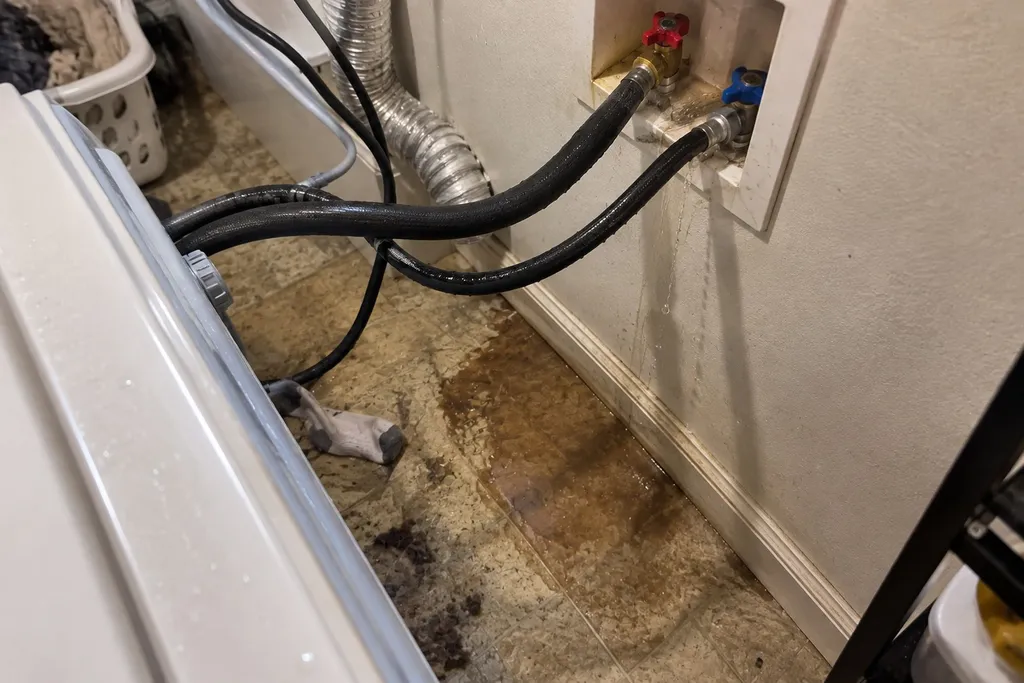
Water on the floor doesn't mean water under the floor. A lot of leaks start higher up and travel. Water runs along the top of the slab, under baseboards, and beneath flooring, then shows up a few feet from where it started. That's why a wet spot in the middle of a room can fool almost anyone.
Here are the problems that most often look like a slab leak but aren't one:
- A leaking supply line under a sink. The small flexible hoses that feed your faucets can drip slowly for weeks. Open the cabinet and feel the back wall and the cabinet floor.
- Appliance hoses. Washing machine hoses, the dishwasher line, and the fridge's ice maker line all sit low and out of sight. Pull the appliance out a few inches and look for staining or soft flooring behind it.
- A shower or tub that leaks through the wall. Cracked grout, worn caulk, or a failed shower pan lets water seep into the wall and down to the floor next door. If the damp spot gets worse right after showers and dries out in between, the shower is your first suspect.
- A dripping water heater. A relief valve that weeps or a tank that's starting to fail can wet the floor around it. That's a water heater repair, not a slab job.
- The main water line out in the yard. If the meter keeps moving but the house is dry, check for a soggy patch or extra-green strip of grass between the meter and your house. That's a water line repair, and the fix happens outside, not under your floor.
- A drain line, not a water line. Drain pipes under the slab aren't under pressure, so a drain leak won't spin your water meter. Slow drains, sewer smells, or dampness that shows up only after you run water point to a drain issue, which is a different problem than a pressurized slab leak.
Some things don't need any repair at all. Thin hairline cracks in a garage floor or under carpet are common in concrete as it cures and settles. If the crack is dry and the meter is still, it's usually just concrete being concrete. A white, chalky film on a slab can come from moisture moving through the concrete over time. It's worth keeping an eye on, but on its own it doesn't prove a broken pipe.
Many of these look-alikes are small, affordable fixes. Tightening a fitting, swapping a worn supply hose, or recaulking a tub is a lot easier on your wallet than opening up a floor. If you find the drip yourself and it's a simple part swap you're comfortable with, go ahead and handle it.
The one thing we'd never want is for a family to pay for slab work when the real problem was a twenty-minute fix under the kitchen sink. Telling the difference is the whole point of checking first.
Slab Leak Repair
How a Slab Leak Is Found Before Any Repair
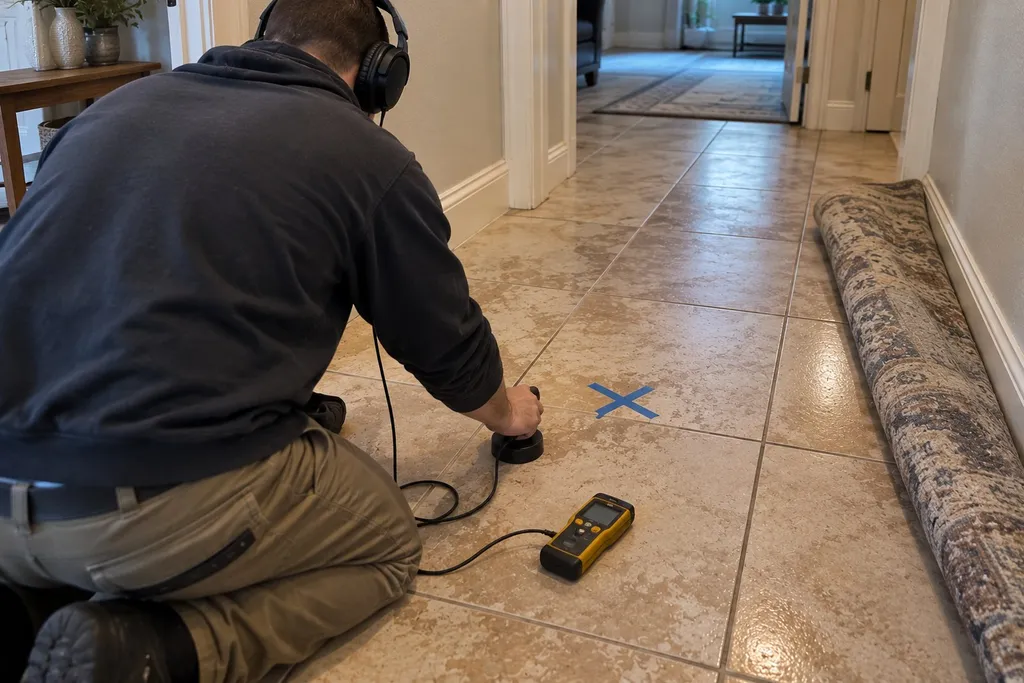
The pipe is buried in concrete, so nobody can just look at it. Good leak detection works like narrowing down a search. You start with the whole house, then one side of the plumbing, then one pipe, and finally one spot on the floor you can mark with tape. The repair only gets planned after that last step.
Here's how that search usually goes, step by step:
- Confirm there's a leak at all. This builds on the meter check you may have already done. A plumber will usually test it again with everything off, so the starting point is solid.
- Split hot from cold. Shutting off the water going into the water heater and watching the meter shows which side is leaking. If the meter stops, the leak is likely on the hot side. If it keeps going, look at the cold lines. That one step can cut the search area in half.
- Pressure test the lines. Sections of pipe can be closed off and checked to see if they hold pressure. A line that slowly loses pressure is the one that's leaking.
- Trace where the pipes run. Pipes under a slab don't always take the path you'd guess. Mapping the route keeps anyone from searching in the wrong part of the room.
- Listen and look. Water forced out of a pinhole makes a sound that sensitive listening gear can pick up through concrete. On a hot water leak, a thermal camera can often show the warm area on the floor. A moisture meter can confirm damp flooring along the way.
No single tool does it all. Each one gives you a clue, and the clues have to agree. When the sound, the heat, and the pipe route all point to the same patch of floor, you can trust the mark.
Why does this matter so much? The size of the spot you find decides the size of the hole you dig. A leak found within a small area might mean opening a section of floor about the size of a dinner plate or a bit bigger. A rough guess might mean pulling up half a kitchen and still missing it. Careful detection keeps your floor, your schedule, and your bill in check.
Detection also tells you which kind of repair makes sense. One clean pinhole in an otherwise healthy pipe is a different job than a line that's thin and corroded along its whole length. You want to know which one you have before anyone starts talking about a fix. For more on pipe corrosion in older copper lines, see our pinhole leak repair page.
Whoever you call, these are fair questions to ask before any work starts:
- How will you confirm the leak is under the slab and not somewhere else?
- Will you tell me if it's the hot side or the cold side?
- Will you mark the exact spot before talking about repairs?
- If it turns out not to be a slab leak, will you tell me straight?
A plumber who welcomes those questions is one you can trust with your home. That's how we'd want our own family treated, and it's how we treat our neighbors.
Slab Leak Repair
Choosing Between Direct Access and Rerouting the Pipe
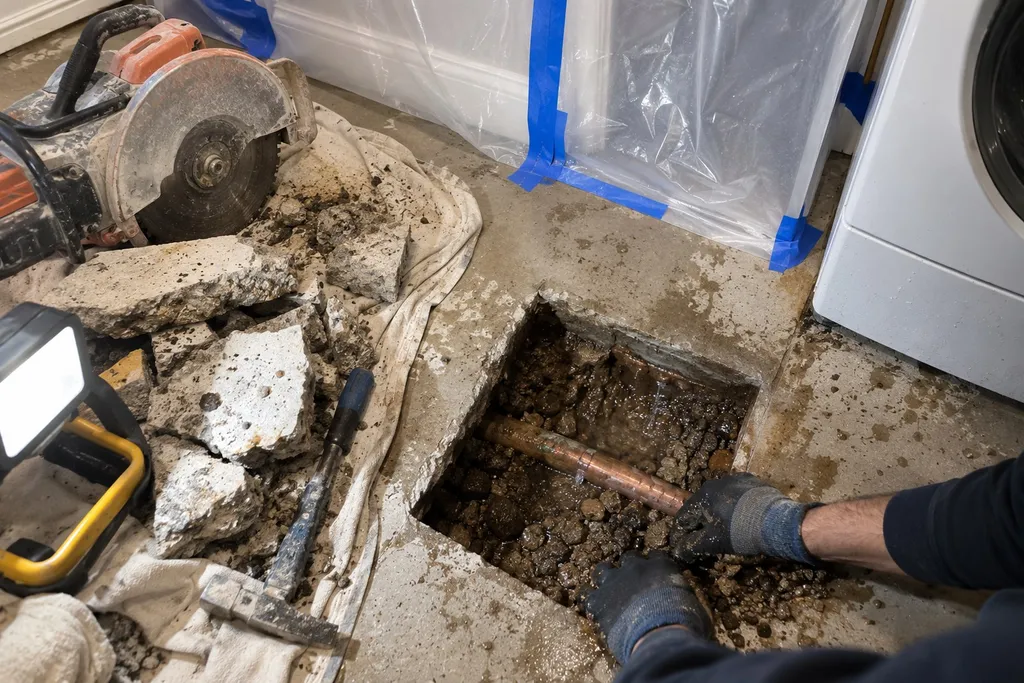
Once the leak is marked, there are two main ways to fix it. You can go straight down through the floor and repair the pipe where it broke. Or you can leave the old pipe in the slab and run a new line around it, through the walls or the attic. Neither one is always better. The right choice depends on where the leak is, what's sitting on top of it, and how healthy the rest of the pipe looks.
Direct access means cutting a small opening in the concrete right over the leak, fixing that section of pipe, and patching the floor. It often makes the most sense when:
- The leak is in an easy spot, like a garage, a laundry room, or under carpet that can be pulled back and laid down again.
- It's one clean pinhole and the rest of the pipe is in good shape.
- The line is short, and a reroute would mean opening lots of walls to reach it.
- The pipe sits in a spot where a new route would be hard to run, like the middle of the house far from any wall.
The downside is the floor itself. Breaking concrete is noisy and dusty. If the leak sits under tile, hardwood, or a kitchen cabinet, the flooring repair can end up costing more than the plumbing. Matching old tile can be hard, too.
Rerouting means shutting off the leaking section under the slab and running a new pipe along a better path. That new line usually goes up through a wall and across the attic or ceiling, then drops down to the fixture. It often makes more sense when:
- The leak is under flooring you'd hate to tear up.
- The pipe is thin or corroded along its length, so fixing one spot today may mean another leak next year.
- It's the second or third leak on the same line.
- The run is long enough that one new pipe is simpler than chasing several weak spots.
Rerouting has trade-offs as well. It means opening some drywall, and those holes have to be patched and painted. A hot water line that runs farther may take a little longer to get hot at the tap. Any pipe that goes into an attic needs good insulation, since our wet, chilly winters can bring freezing nights.
Here's a simple way to think about it. If the pipe is healthy and the spot is easy to reach, fix it where it is. If the pipe is tired, or the floor on top is precious, go around it. If several lines all over the house are failing, a whole-home repipe may be the honest answer, and that's a bigger talk for another day.
Ask whoever you hire to walk you through both options for your house, not just the one they like best. Ask what each choice means for your floors, your walls, and how long you'll be without water. A good plumber should show you why the pipe's condition points one way or the other. That's the same straight answer we'd want for our own family, and it's how Kevin and our team have tried to work for 20 years.
Slab Leak Repair
Why Licensing Matters for Under-Slab Work
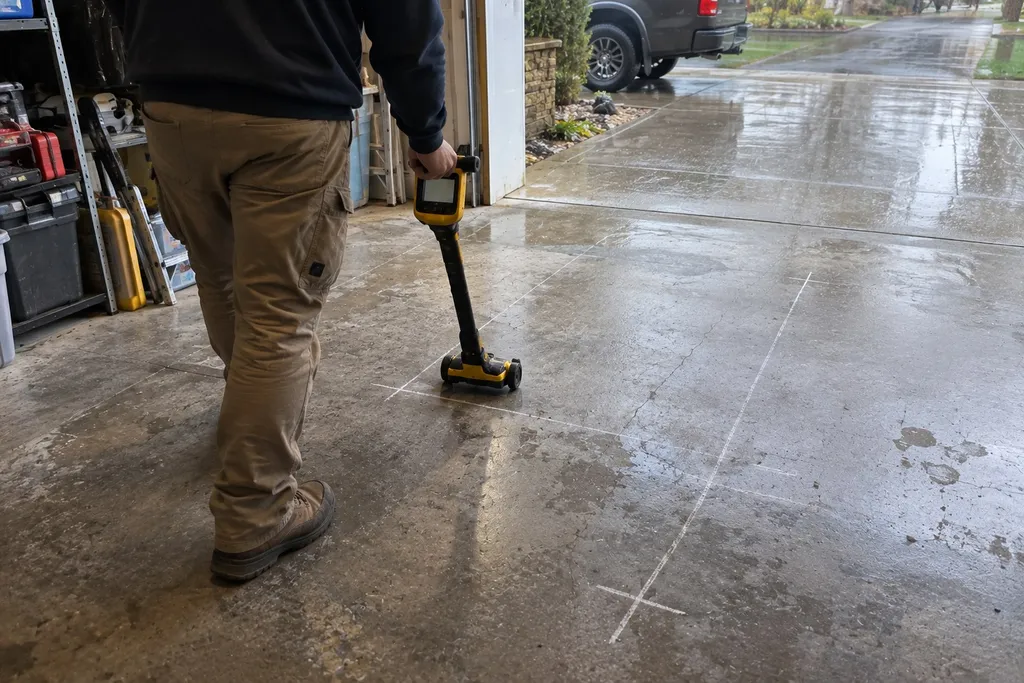
Under-slab work isn't like swapping a faucet. Someone is cutting into the floor your whole house sits on, or opening walls to run new pipe through your home. If that goes wrong, the cost lands on you unless the person doing it is licensed, bonded, and insured. That's why the license matters most on jobs you can't easily see or undo.
A slab hides more than water pipes. Drain lines, gas lines, and electrical conduit can all run through or under the concrete. Some newer slabs also have steel cables inside them pulled very tight to hold the slab together. Cutting one of those by mistake is dangerous and costly to fix. A trained plumber checks what's under the floor before cutting, so a leak repair doesn't turn into a much bigger problem.
Here's what each piece does for you:
- Licensed means the plumber has met the state's training and testing standards to work on the water lines in your home. You're not trusting your foundation to someone learning on the job.
- Bonded means there's money set aside to protect you if a contractor doesn't finish the work or doesn't follow the rules.
- Insured means that if something gets damaged during the job, like a cracked pipe nearby or water in a finished room, you aren't stuck paying for it out of pocket.
- Permits and inspections. Some repiping and reroute work may need a permit. Ask about it up front. A licensed plumber can tell you if your job needs one and handle it the right way, so the work is on the record if you sell your home later.
Checking takes about two minutes. In Oregon, contractors have a CCB number from the Construction Contractors Board. Ask for it, then look it up yourself. You can see if the license is active and if there's a history of complaints. If someone dodges the question or says you don't need a licensed pro for just a small hole in the floor, that's your answer. Walk away.
Watch out for the cheap cash bid with no paperwork. It can look like a deal until a patch fails, a hidden line gets hit, or a home inspector asks who did the work. Saving a little on day one can cost you a lot more down the road, and you'd have no one to call.
We're happy to be checked. Bigfoot Plumbing is licensed, bonded, and insured in Oregon, CCB# 257405. Kevin Brain has 20 years in the trade. We're a family-owned company based right here in Troutdale, and residential plumbing is all we do. We'll find the leak first, tell you plainly whether you need a slab repair at all, and lay out your options without pushing the bigger job.
Common Questions
Frequently Asked Questions
Will homeowners insurance pay for a slab leak?
+
It depends on your policy, so you'll want to call your insurance company before work starts. Many policies cover the cost to access and repair the leak, but not the cost of the water line itself. Some also cover flooring or drywall damage caused by the leak. Ask your insurer for their exact rules before you choose between a direct repair and a reroute, since that choice can affect what gets covered.
Should I repipe the whole house instead of just fixing the one leak?
+
It depends on how your other pipes look, not just the one leak you found. If this is the first leak and the rest of the line is in good shape, a single repair usually makes sense. If you've had more than one leak on the same line, or several pipes are thin and corroded, a full repipe can save you from repeating this same job again next year. A good plumber should walk you through your pipe's condition before recommending either path.
Do regular plumbers handle slab leaks, or do I need a specialist?
+
A licensed plumber with the right experience can handle slab leaks, but not every plumber does this kind of work regularly. It takes leak detection tools like listening equipment and thermal cameras, plus comfort working around concrete, water lines, and sometimes gas or electrical lines buried nearby. Ask whoever you call how they confirm the leak location before they ever cut into your floor.
Troutdale, Oregon
Related Troutdale Services
Need Plumbing Help?
Get Help Today from
Bigfoot Plumbing
Troutdale, Fairview, Wood Village, Gresham and the homes east toward Corbett. Call the Troutdale number and talk to someone who does this for a living.
10% Off for Veterans · First Responders · Seniors