
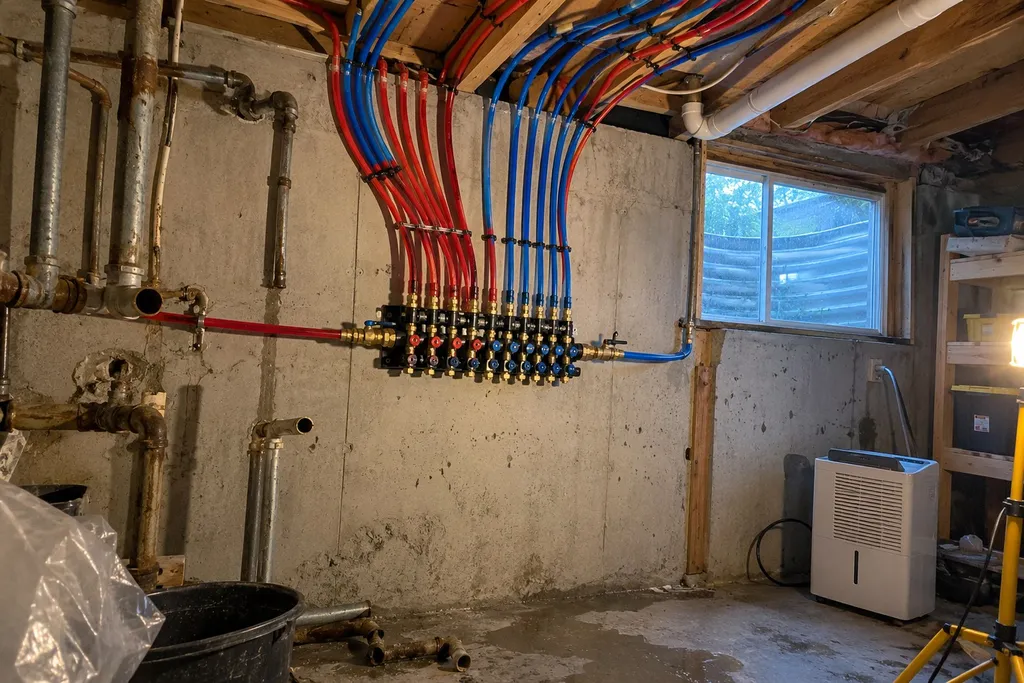
Repiping
Repiping in Troutdale: Do You Need a Full Repipe or a Repair?
Honest, reliable plumbing for Troutdale, Oregon & the surrounding Pacific Northwest
CCB# 257405
Licensed · Bonded · Insured
20 Yrs
Experience
Family
Owned & Operated
Troutdale, OR
East County Crew
What's Covered on This Page
- Signs Your Home Needs Repiping
- When You Don't Need a Full Repipe
- How a Repiping Estimate Works
- What to Expect During the Repiping Process
- Questions to Ask Before Hiring a Repiping Plumber
- Can old galvanized pipes be converted to PEX without replacing the whole system at once?
- Will repiping fix low water pressure in my whole house?
- How do I know if a leak means I need a full repipe or just a repair?
Need Repiping?
Repiping
Signs Your Home Needs Repiping
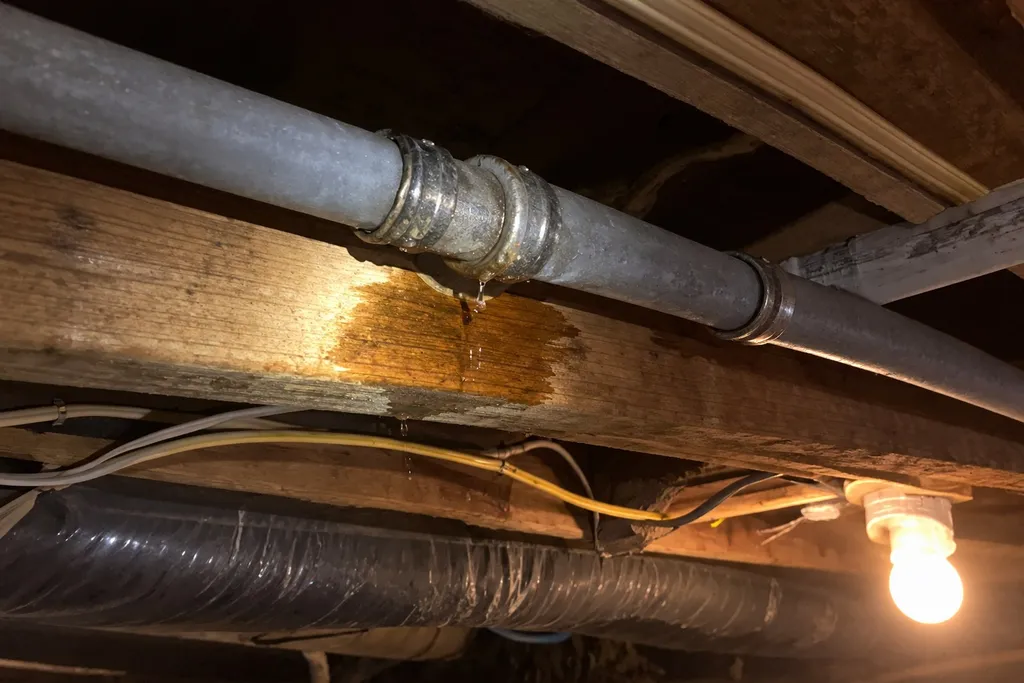
Pipes don't fail all at once. They give you hints first. The trick is knowing which hints mean "fix this spot" and which ones mean "the whole system is tired." Here's what we look for, and what you can check yourself.
- Leaks that keep coming back. You fix a drip under the kitchen sink, and a few months later there's a wet spot in the basement or a stain on a ceiling. When leaks pop up in different rooms, the pipe walls are likely thinning everywhere, not just in one spot.
- Tiny pinhole leaks in copper. A small spray or a slow bead of water from a copper line can mean the pipe is wearing from the inside. One pinhole can be patched. A string of them is a pattern.
- Brown, yellow, or rusty water. If your water looks off when you first turn on the tap in the morning, rust may be building up inside old steel pipes. It often clears after a few seconds, which makes it easy to ignore.
- Weak pressure at every tap. When the shower, the kitchen sink, and the hose bib are all weak, buildup inside old pipes may be choking the flow.
- Visible wear on exposed pipes. Flaking, rust spots, green crust on copper fittings, or bulging joints are all signs the metal is breaking down.
- Old or problem pipe materials. Galvanized steel and polybutylene are both known for failing with age. If your home has either, it's worth a closer look even before trouble starts.
Not sure what your pipes are made of? Go look where the main water line comes into your house, or near your water heater. Grab a fridge magnet. If it sticks, you've got galvanized steel. Copper is a reddish-brown color, and a magnet won't stick to it. Polybutylene is a gray plastic pipe, and it's often stamped with the letters "PB." White or colored flexible plastic is usually newer PEX, which is good news.
Now for the honest part. Plenty of these signs don't mean you need a repipe. A single leak in an otherwise healthy system is a repair job, and we'd rather do our pinhole leak repair or plumbing leak repair work than sell you pipes you don't need. Weak pressure at just one faucet is often a clogged aerator or a worn fixture. Weak pressure all over the house can also come from a failing pressure regulator, and that's a much smaller fix through our water pressure regulator replacement service. If you can't find where water is going, leak detection should come first, before anyone talks about new pipes.
The time to think about repiping is when you see two or three of these signs at once, or when you keep paying for repairs on the same tired system. Picture a homeowner who's patched three leaks in two years, notices rusty water in the guest bath, and finds a magnet sticking to the pipe by the water heater. That isn't bad luck. That's a system telling you it's near the end.
Kevin has spent 20 years in this trade, and the most useful thing we can do is tell you which of those two situations you're in. Sometimes the right answer is a simple repair. Sometimes it's new pipes. Either way, you'll get a straight answer.
Repiping
When You Don't Need a Full Repipe
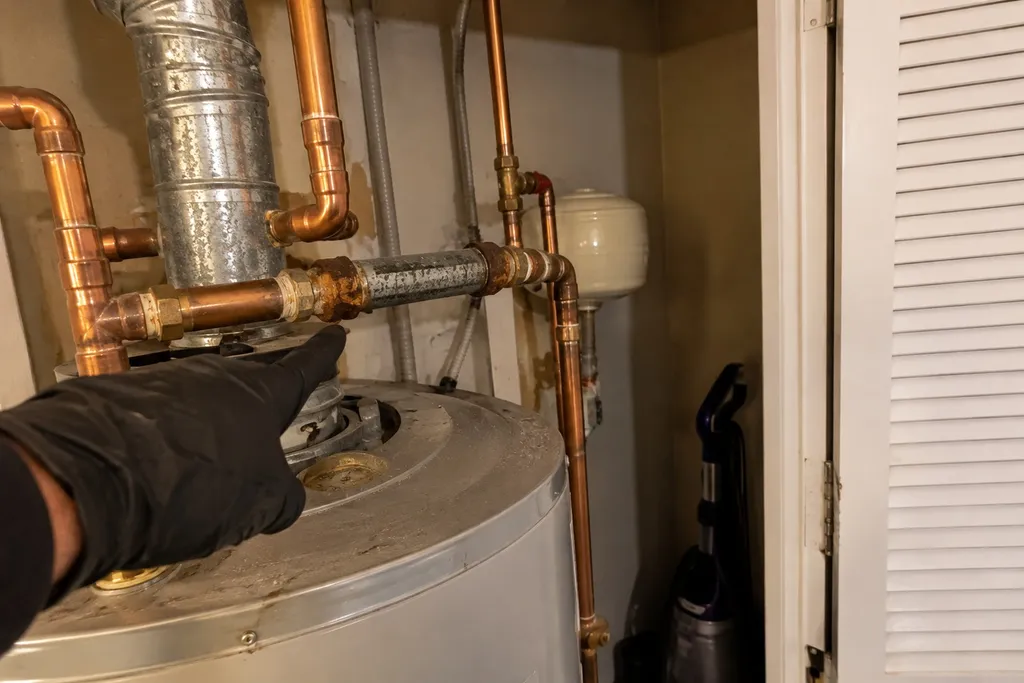
A full repipe is a big job. It's the right call when the whole system is worn out. It's the wrong call when the trouble sits in one spot. Here are the cases where we'd tell you to hold off and fix the real problem.
The rusty water only comes from the hot side. Run the cold tap and then the hot tap in the same sink. If only the hot water looks brown, the rust may be coming from inside your water heater tank, not your pipes. That's a water heater repair or a new water heater, not new pipes.
Only one section of pipe is bad. Lots of homes have been partly updated over the years. You might have good copper in most of the house and one old run of galvanized steel left near the water heater or under one bathroom. In that case, it makes more sense to replace that one stretch of pipe and leave the healthy pipe alone. You get rid of the weak link without paying to redo pipe that still has years left.
You've got a slab leak in one spot. A leak under a concrete floor sounds like the end of the world, but it doesn't always mean new pipes everywhere. Sometimes the better fix is pipe rerouting. That means running a new line through the walls or attic to skip the leaking part, so nobody has to break up your floor. If the rest of your pipes are sound, that's often enough.
The problem is outside the house. If you've got a soggy patch in the yard, or weak flow that started right after a leak near the street, the trouble may be in the main water line between the meter and your home. That's water line repair or water line replacement. The pipes inside your walls may be perfectly fine.
Your pipes are old but they aren't acting up. Age alone isn't a reason to tear into walls this month. If your copper or PEX has no leaks, clear water, and good pressure, you can keep using it. A closer look is smart if you have galvanized steel or polybutylene, but a closer look isn't the same as a rush job. You can plan ahead and budget for it on your own timeline.
While you wait, a few simple habits help you spot trouble early:
- Write down every plumbing repair with the date and the spot. A pattern is easier to see on paper.
- Learn where your main shut-off valve is, so you can stop the water fast if a pipe lets go.
- Peek under sinks and around the water heater now and then for damp spots, stains, or green crust on fittings.
- Think about water leak sensors near the water heater and under sinks. They're small and they warn you before a drip turns into a ruined floor.
If your notes show leaks in more than one room over a year or two, that's when it's time to talk about a repipe. Until then, fixing the one real problem is the honest answer, and it keeps more money in your pocket.
Repiping
How a Repiping Estimate Works
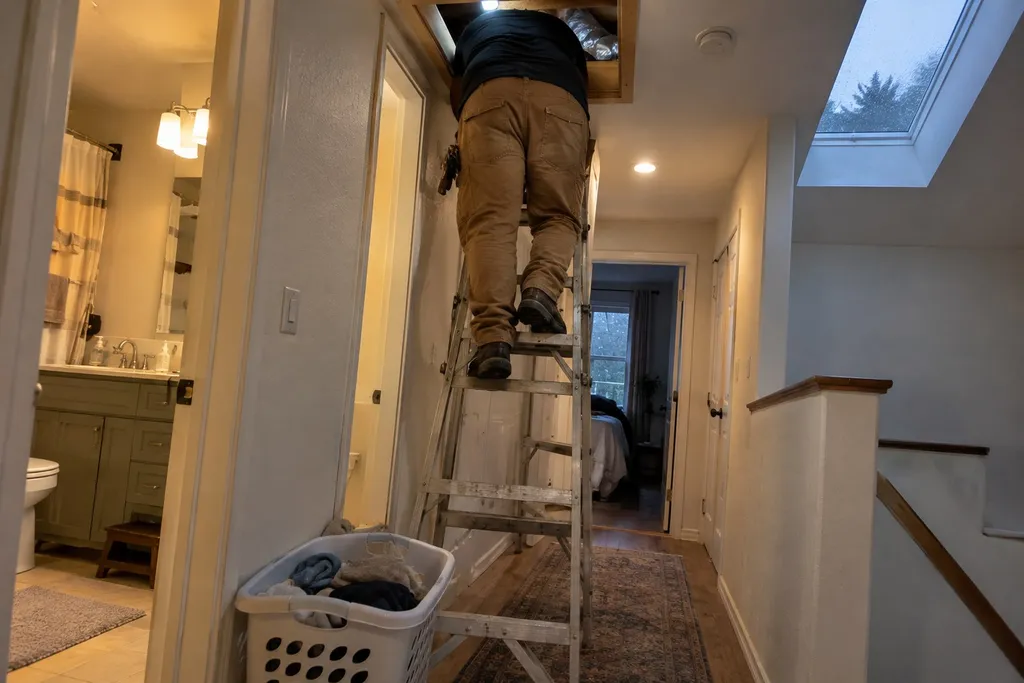
There's no honest one-size price for a repipe. Two houses on the same street can come out very different, because the cost depends on how much pipe there is, what it's made of, and how hard it is to reach. A fair estimate should show you those pieces, not just a number at the bottom.
Here's what moves the price up or down:
- How many fixtures you have. Every sink, toilet, tub, shower, and hose bib needs its own line. A home with three bathrooms has a lot more pipe than a home with one.
- The size and layout of the house. A two-story home or a long, spread-out ranch takes more pipe and more labor than a compact single-story home.
- The new pipe material. PEX is flexible plastic that bends around corners, so it usually takes less time and costs less to put in. Copper takes more labor and costs more for the material.
- How easy the pipes are to reach. An open basement or a roomy crawlspace makes the job simpler. Pipes buried in a concrete slab or hidden behind finished walls and ceilings take more work.
- Wall repair. Small openings get cut so the new pipe can be run. Some estimates include patching that drywall. Others leave patching and painting to you.
- Permits and inspection. A repipe is a big change to your home's plumbing, so ask whether the permit and inspection are part of the price.
- Add-ons. New shut-off valves, a new pressure regulator, or reconnecting the water heater can be part of the job. They should be listed on their own line so you can see them.
Most repipes are priced one of two ways. A flat project price covers the whole job for one number, so you know your cost up front. Time and materials means you pay for the hours worked plus the parts used, so the final bill can change if something unexpected turns up behind a wall. Either can be fair. You just want to know which one you're getting before work starts.
Before you hire anyone, ask these questions:
- Is this the whole house, or only part of it? Which fixtures are included?
- What pipe material are you using, and why that one for my home?
- Does the price include the permit, the inspection, and drywall patching?
- How long will my water be off, and what happens if you find a surprise inside a wall?
- Are you licensed in Oregon? Can I have your CCB number?
That last question matters more than people think. Any contractor doing this work in Oregon should hand you a CCB number without a fuss, and you can look it up. Ours is CCB# 257405. Bigfoot Plumbing is licensed, bonded, and insured, and Kevin brings 20 years of plumbing experience to every job.
Be careful with any estimate that adds work you didn't ask about, or pushes a full repipe when you've only had one leak. If the earlier signs don't point to a worn-out system, a smaller repair is the honest answer, and that's what we'll tell you. If you're a veteran, a first responder, or a senior, ask about our 10% discount.
Repiping
What to Expect During the Repiping Process
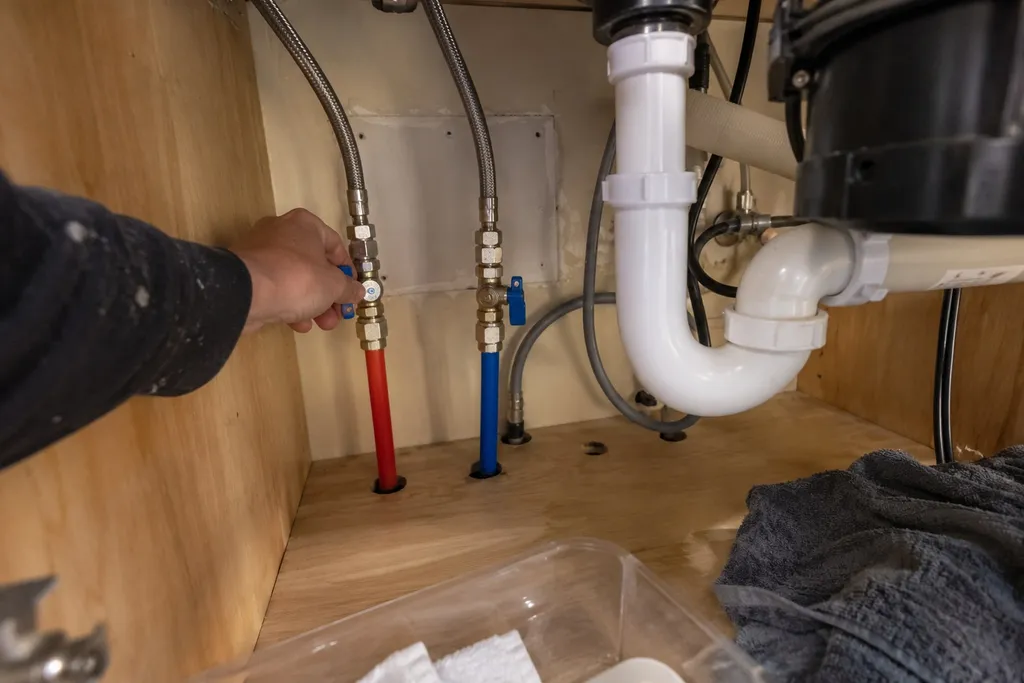
Most people picture a repipe as weeks of torn-up walls and no water. It's usually a lot calmer than that. A whole-house repipe on a typical home often takes a few days, not weeks. Here's how it tends to go, so you know what you're walking into.
Getting your home ready. A little prep makes the job faster and keeps your things safe. A few days before work starts:
- Clear out the cabinets under every sink.
- Pull furniture a few feet away from walls that have plumbing behind them, like bathroom and kitchen walls.
- Take down pictures and shelves on those walls.
- Make sure the crawlspace hatch, the attic access, and the water heater are easy to reach.
- Plan where your kids and pets will hang out while the crew is working.
The work itself. The plumber first maps out where the new lines will run. Then small openings get cut in drywall at key spots so the new pipe can be pulled through the walls, the crawlspace, or the attic. These holes are usually smaller and fewer than people expect. Flexible PEX can snake around corners, so it often needs fewer openings than copper does.
The old pipe is usually cut off and left in place inside the wall. Pulling it all out would mean tearing open far more of your home, and it isn't hurting anything once it's disconnected. The new lines get hooked up to your fixtures one at a time.
Your water will be off for parts of the job. On many repipes, water gets turned back on at the end of each workday so you can still shower, cook, and flush. Ask about this up front. If you work from home or have a baby or an older parent in the house, it's good to know the plan for each day.
Checking the work. Before any walls get closed up, the new pipes should be tested under pressure to make sure every joint holds tight. Then the lines get flushed to clear out any bits of debris. If your job needs a permit, the inspector looks at the open pipe before the patching happens. That's why the drywall comes last.
When the crew wraps up, take a walk through the house with them. Here's what to check:
- Turn on every faucet, shower, and tub, both hot and cold.
- Flush every toilet and watch the tank refill.
- Look for clear water and strong, even pressure.
- Peek under sinks for any damp spots.
- Ask where the new shut-off valves are, and make sure you know where your main shut-off is.
The first time you turn on the shower and get strong, clear water after months of rusty, weak flow, you'll feel the difference right away. That's the point of the whole job. You stop patching leaks and start trusting your pipes again.
Bigfoot Plumbing is family-owned and based right here in Troutdale. We're licensed, bonded, and insured (CCB# 257405), and Kevin has spent 20 years in this trade. If you're still not sure whether you need a repair or new pipes, we'll give you a straight answer either way.
Repiping
Questions to Ask Before Hiring a Repiping Plumber
The price questions from the estimate section tell you what a repipe costs. These questions tell you what it'll be like to have that plumber in your home for a few days. A careful plumber will answer each one without stalling. If someone gets annoyed or vague, that tells you something too.
- Who will be in my house? Ask if the person giving the estimate is the one doing the work, or if the job gets handed to someone else. Either can work, but you should know who's coming and who to call if something's wrong.
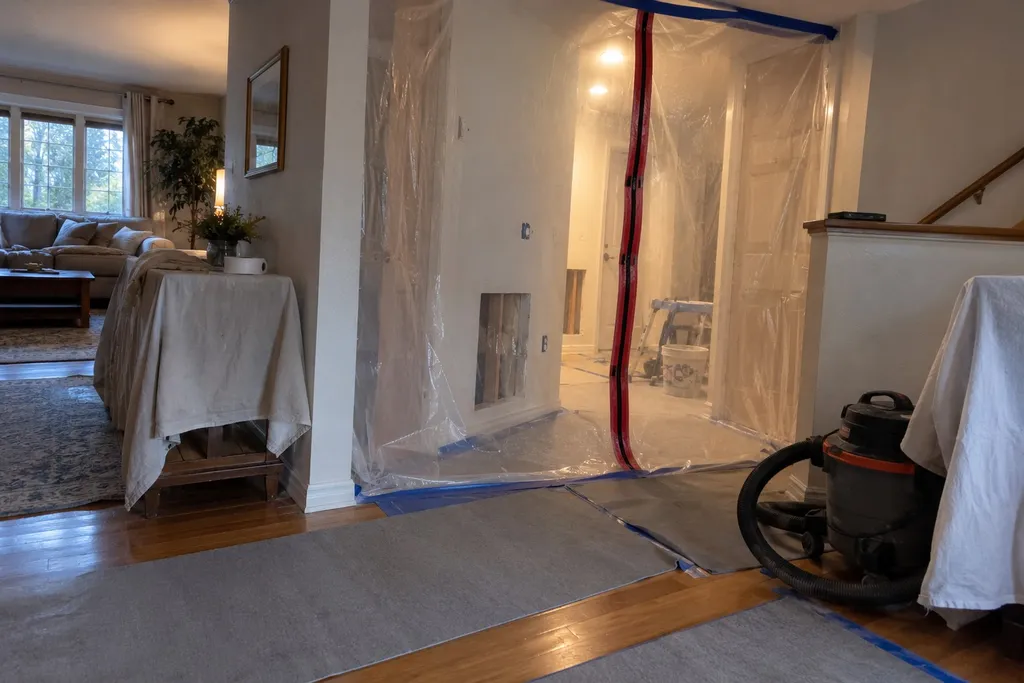
- How will you protect my floors and furniture? Cutting drywall makes dust. Good crews cover floors, tape off work areas, and clean up at the end of each day. Ask what they do, not just whether they're careful.
- Will the whole plan be in writing? You want the pipe routes, the fixtures included, and what's left out spelled out on paper. If it's only said out loud, it's easy for both sides to remember it differently later.
- What happens if you find damage inside a wall? Opening walls can turn up old water damage, soft wood, or mold from past leaks. Ask how they'll tell you, whether they'll stop and show you, and how any extra work gets approved before it starts.
- Does my electrical system use the old metal pipe for grounding? In some older homes, metal water pipe is part of the grounding setup. If it's being swapped for plastic PEX, ask who'll check that and whether you'll need an electrician.
- Will you check my water pressure? New pipes won't last as long if the pressure coming in from the street is too high. A plumber who tests it before starting is thinking about how your pipes will hold up years from now, not just this week.
- How does payment work? Ask how much is due up front, when the rest is due, and what happens if the job runs past the planned days.
- Can I talk to you after the job's done? Ask who you call if a fitting drips a week later. You want a real person, not a phone tree.
One more question is worth asking yourself: did this plumber look at your whole system, or did they just quote a repipe the minute they walked in? Someone who asks about your repair history, checks where the water comes in, and tells you which parts are still in good shape is giving you an honest read. Someone who skips all that is selling.
You're letting someone cut into the walls of the house your family lives in. It's fair to expect clear answers and someone who treats your home like their own. That's how we try to work. Bigfoot Plumbing is a family-owned business based in Troutdale, and Kevin has 20 years in this trade. Ask us any of these questions and we'll answer them straight, even if the answer is that you don't need a repipe yet.
Common Questions
Frequently Asked Questions
Can old galvanized pipes be converted to PEX without replacing the whole system at once?
+
Yes, in many cases you can convert in stages instead of all at once. If only one run of galvanized pipe is causing trouble, like a section near the water heater, that stretch can be swapped for PEX while the rest of your healthy copper stays in place. This lets you deal with the weakest link first and plan the rest on your own timeline.
Will repiping fix low water pressure in my whole house?
+
It can, but only if the cause is buildup inside old pipes. Weak pressure at every tap often points to corrosion or scale clogging galvanized steel lines, which repiping solves. But if the pressure problem showed up suddenly, a failing pressure regulator could be the real cause, and that's a much smaller fix than a full repipe.
How do I know if a leak means I need a full repipe or just a repair?
+
Track where and how often leaks happen before deciding. One leak under a sink is usually a simple repair, but leaks popping up in different rooms over a year or two point to a system-wide problem. Writing down the date and location of each repair helps you see the pattern clearly instead of guessing.
Troutdale, Oregon
Related Troutdale Services
Need Plumbing Help?
Get Help Today from
Bigfoot Plumbing
Troutdale, Fairview, Wood Village, Gresham and the homes east toward Corbett. Call the Troutdale number and talk to someone who does this for a living.
10% Off for Veterans · First Responders · Seniors