
Water Line Replacement
Water Line Replacement in Troutdale: Repair, Replace, or Call Now?
Honest, reliable plumbing for Troutdale, Oregon & the surrounding Pacific Northwest
CCB# 257405
Licensed · Bonded · Insured
20 Yrs
Experience
Family
Owned & Operated
Troutdale, OR
East County Crew
What's Covered on This Page
- Signs Your Water Line Needs Replacement
- When You Don't Need a Full Replacement
- Repair or Replace: Making the Right Call
- Permits and Oregon Licensing for Water Line Work
- What to Expect During the Replacement
- How deep does a water line need to be buried in Oregon?
- What drives the overall cost of a main water line replacement?
Need Water line replacement?
Water Line Replacement
Signs Your Water Line Needs Replacement
Your main water line runs underground from the meter to your house. Since you can't see it, it tends to tell you something's wrong in other ways. Here's what to watch for. Some signs mean a quick repair. Others mean the whole line is near the end of its life, and that's when replacement makes more sense than another patch.
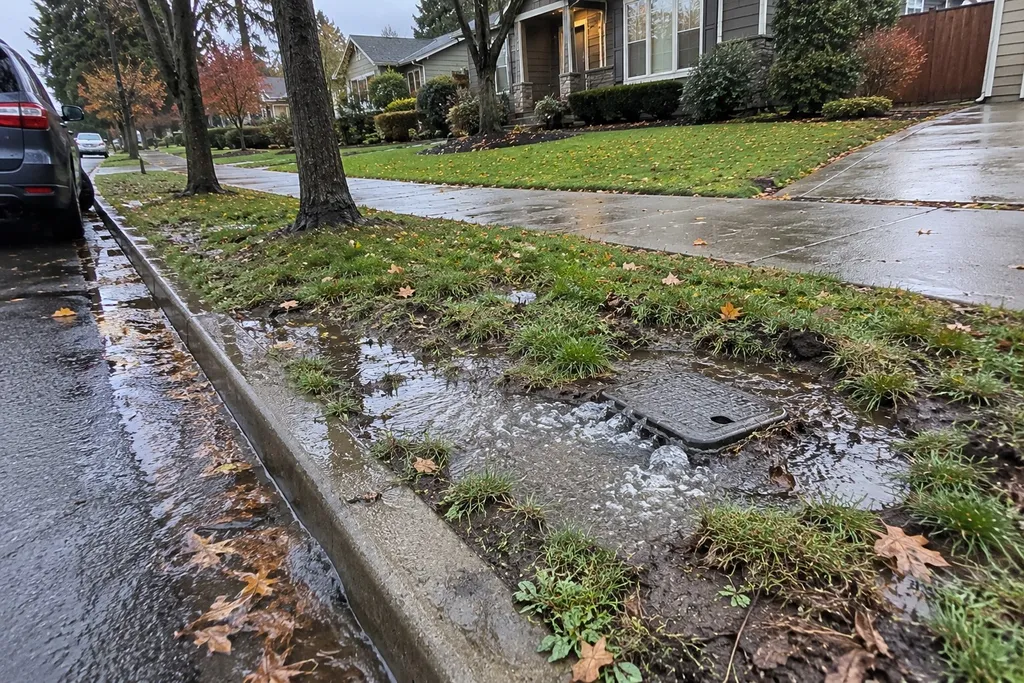
- A wet, soggy, or sunken patch in your yard, even when it hasn't rained. Water from a buried leak has to go somewhere.
- A strip of grass that's greener and faster-growing than the rest of the lawn, often running in a line from the street toward the house.
- A water bill that keeps going up while your habits stay the same.
- Low water pressure at every faucet in the house, not just one sink or shower.
- Rusty, brown, or cloudy water, especially first thing in the morning.
- A hissing or running-water sound near where the line enters the house when nothing is turned on.
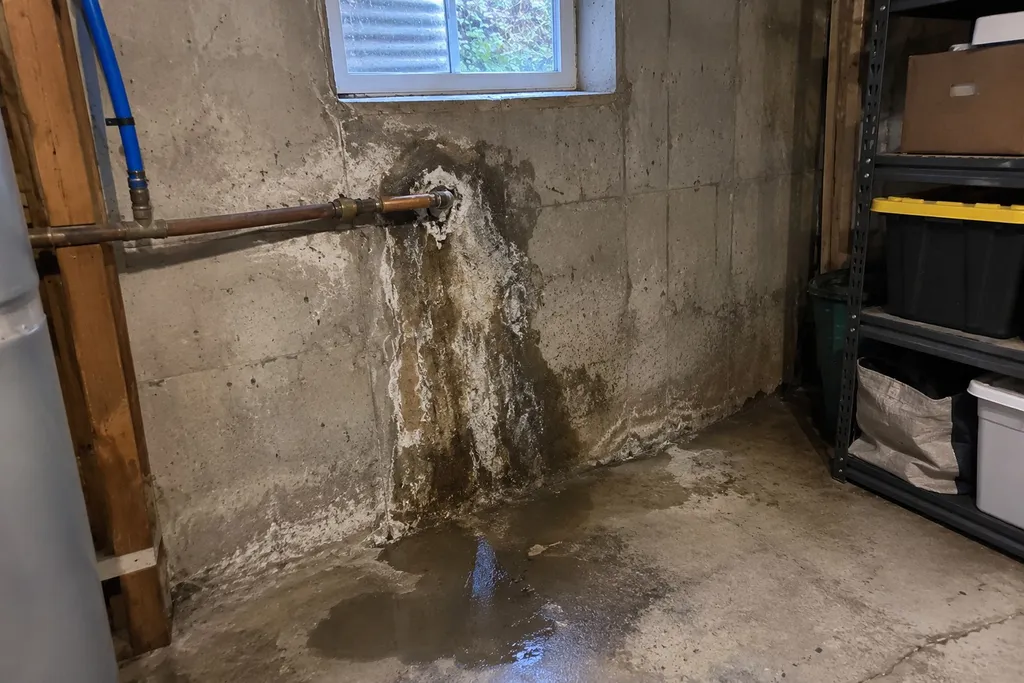
- Water seeping into a basement or crawlspace wall on the side facing the street.
There's an easy check you can do at home. Turn off every faucet, toilet, and appliance that uses water. Then look at your water meter. If the dial or the small leak indicator is still moving, water is escaping somewhere. That doesn't tell you where, but it tells you something's leaking and it's time to get it looked at. If you aren't sure where the leak is, our leak detection service can help find it before anyone digs.
So how do you know if it's a repair or a replacement? One leak in an otherwise healthy pipe is usually a repair. Fix the spot, and you're done. But a few things tip the scales toward replacing the whole line:
- You've had more than one leak on the same line. When one spot fails, the rest of that pipe is often just as worn.
- The line is old galvanized steel. These pipes rust from the inside out, which slowly chokes off your water pressure and stains your water.
- The line is polybutylene, a gray plastic pipe used in some homes years ago that's known for failing without much warning.
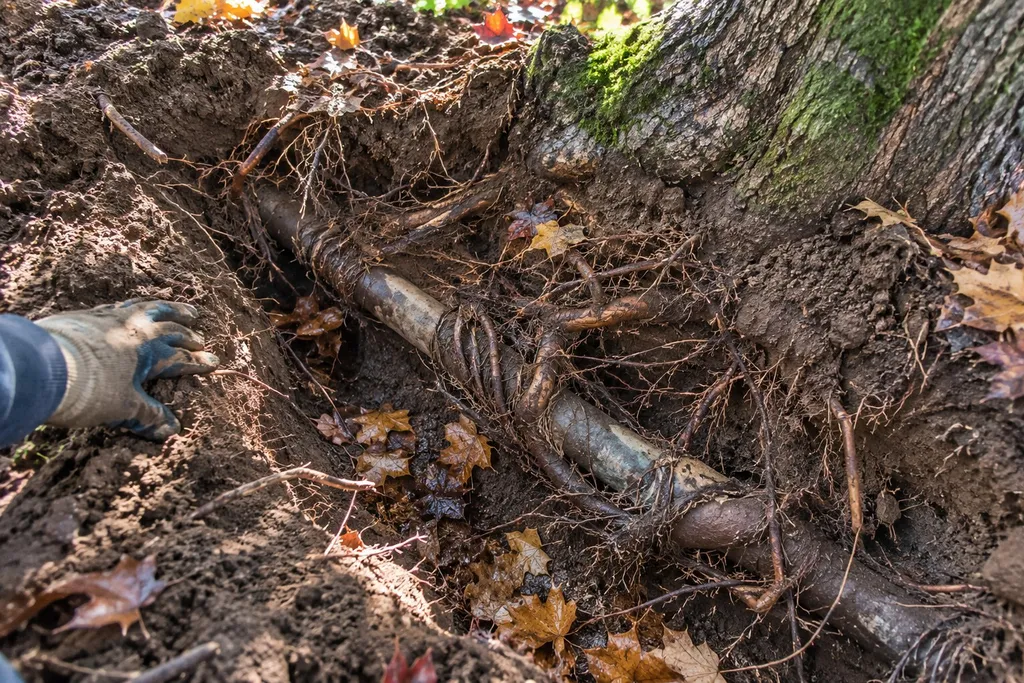
- Tree roots have wrapped around or crushed the pipe in more than one place.
Here's a common story. A homeowner fixes a leak by the front walk. A year later, there's a new wet spot ten feet away. Then the pressure drops. Each fix seemed reasonable on its own, but added together, they cost more than a new line would have. And the yard got dug up three times.
We'd rather tell you when a repair will do the job. But if your line is showing several of these signs at once, patching it again just puts off the bigger fix and keeps you worrying about the next leak.
Water Line Replacement
When You Don't Need a Full Replacement
A lot of the time, you don't need a new water line at all. Plenty of problems look like a failing main line but start somewhere else. We'd rather you spend money on the real cause than dig up your yard for nothing.
Here are the most common cases where full replacement isn't the answer.
- You have one leak on a line that's otherwise in good shape. If the pipe is a newer material and this is its first problem, a spot repair is usually all it needs. That's our water line repair service, and it's a much smaller job.
- The leak is inside the house, not underground. A high water bill often comes from a toilet that runs quietly all day or a dripping fixture. Fixing a toilet or faucet costs far less than any digging.
- Low pressure is coming from a worn-out pressure regulator. Many homes have a regulator where the main line comes in. When it wears out, pressure can drop across the whole house, even though the pipe in the yard is fine. Replacing the regulator is a quick job compared to a new line.
- Only the hot water is rusty or brown. If your cold water runs clear, the problem is probably your water heater, not your water line.
- The leak is on the street side of your meter. In many areas, the pipe between the water main and the meter belongs to the water provider. If the wet spot is right at the meter box or out by the street, call your water provider first. That repair may be on them, not you.
Some problems don't need anything right away. If the meter test from earlier shows no movement, your pressure is steady, and your water looks clear, there's no reason to replace a line just because it's old. Age alone doesn't mean it's failing. Keep an eye on your water bill and your yard, and check the meter now and then. If nothing changes, you can wait.
There's one more case worth knowing about. Maybe you've got a single leak, but your line is old galvanized steel or polybutylene, and you're planning to sell or remodel in the next year or two. A repair can be a fair choice to get you through for now. Just know it's a short-term fix on a pipe that's still aging, and plan for the bigger job down the road.
We'd always rather fix the small thing than sell you the big thing. If a repair, a new regulator, or a toilet fix solves your problem, that's what we'll tell you. Replacement only makes sense when the whole line is truly worn out, and that's the only time we'll recommend it.
Water Line Replacement
Repair or Replace: Making the Right Call
The right call comes down to the total cost over time. A repair costs less today. A new line costs more today but can end the cycle of digging. Don't just compare one repair to one replacement. Compare the repair you need now, plus the ones you're likely to need next, to fixing it once.
Every repair on a buried line has the same basic costs: finding the leak, digging down to it, fixing the pipe, and putting your yard back together. Most of that cost is the digging and cleanup, not the small piece of pipe. That's why a third or fourth patch on a worn-out line can quietly add up to more than a new line would have cost.
No two water line jobs cost the same. Here's what makes the price go up or down, for a repair or a full replacement:
- How long the line is. A house set far back from the street needs more pipe and more trench than one close to the meter.
- What's sitting on top of it. Lawn is the easiest. A driveway, patio, walkway, or mature tree in the path takes more work and more care.
- How deep the pipe is buried and how easy it is to reach.
- What's in the ground. Rocky or hard-packed soil is slower to dig than loose dirt.
- Permits and inspections, if your city requires them for the job.
- The type of new pipe being put in.
- How much yard repair is included when the work is done.
You'll also see two common ways plumbers price this work. A flat-rate quote gives you one price for the whole job up front. Time and materials means you pay for hours worked plus parts, so the final bill can change if the job runs long. Neither one is wrong, but you should know which one you're getting before work starts.
Before you hire anyone for a water line job, ask these questions:
- Is this a repair or a replacement, and why? What did you find that led you there?
- Is the price a flat rate or time and materials?
- Are permits and inspections included in the quote?
- What happens to my yard, driveway, or walkway, and who puts it back?
- What kind of pipe are you putting in, and why that one?
- Are you licensed, bonded, and insured in Oregon? What's your CCB number?
That last question matters. Any contractor working on your home in Oregon should be able to give you their Construction Contractors Board number so you can check it. Ours is CCB# 257405. We're licensed, bonded, and insured, and we've been doing plumbing for 20 years.
When we look at your line, we'll tell you plainly which way we'd go if it were our own home and why. If a repair will hold up, we'll say so. If the line is worn out, we'll explain what's driving the cost so nothing on the quote surprises you. We also offer 10% off for veterans, first responders, and seniors.
Water Line Replacement
Permits and Oregon Licensing for Water Line Work
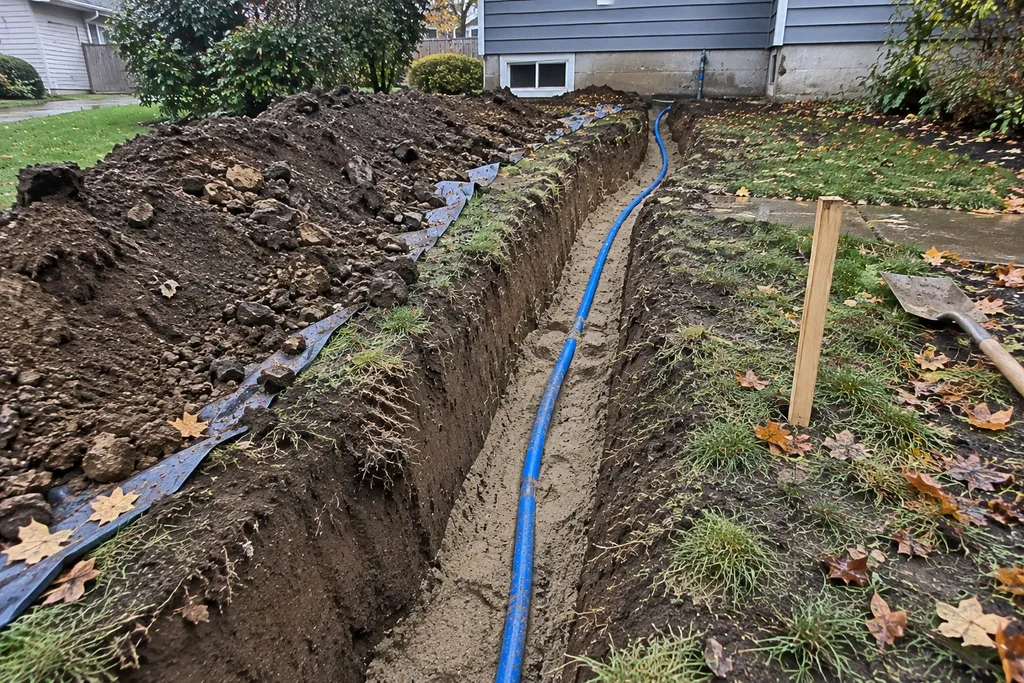
Replacing a main water line usually needs a permit and an inspection. It can feel like extra hassle on top of a big job. But the permit is what makes a new line a real, lasting fix and not a question mark buried in your yard.
Here's why it matters. An inspector looks at the new pipe before the trench gets filled back in. They check that the right kind of pipe was used, that it's buried deep enough, and that the connections at the meter and the house are done right. Once the dirt goes back, nobody can see any of that again. The inspection is your one chance to have a neutral set of eyes confirm the work.
Skipping the permit can come back to bite you. When you sell your home, a buyer's inspector may ask about recent plumbing work. If there's no permit on file, you may have to explain it, fix it, or even dig it back up so it can be checked. Unpermitted work can also cause headaches with insurance if that line ever leaks into your home.
Permit rules vary by city and county. In Troutdale, or anywhere else, your local building department can tell you exactly what's required for your address. If you aren't sure which office covers your home, just ask. They get that question all the time.
Licensing is the other half. In Oregon, a contractor working on your home needs to be licensed with the Construction Contractors Board. Plumbing is also its own licensed trade here, so the people doing the work should be licensed plumbers. That's on top of the contractor license. Being bonded and insured matters too. If something goes wrong on the job, like damage to your home or a neighbor's property, the bond and insurance help protect you. Otherwise, you could be left holding the bill.
Before any digging starts, get clear answers to these questions:
- Who's pulling the permit, you or the contractor? It should be clear in writing.
- Is the permit fee included in the quote, or is it extra?
- When will the inspection happen, and will the trench stay open until it passes?
- Who arranges for buried gas, power, and cable lines to be marked before anyone digs?
- Is the person doing the plumbing work a licensed plumber in Oregon?
- Can you see proof of the contractor's license, bond, and insurance?
You can check any Oregon contractor's license yourself. We shared ours earlier, and we're licensed, bonded, and insured. After 20 years of plumbing, we know that doing it right the first time, with the paperwork to show for it, is part of taking care of your home like it's our own.
Water Line Replacement
What to Expect During the Replacement
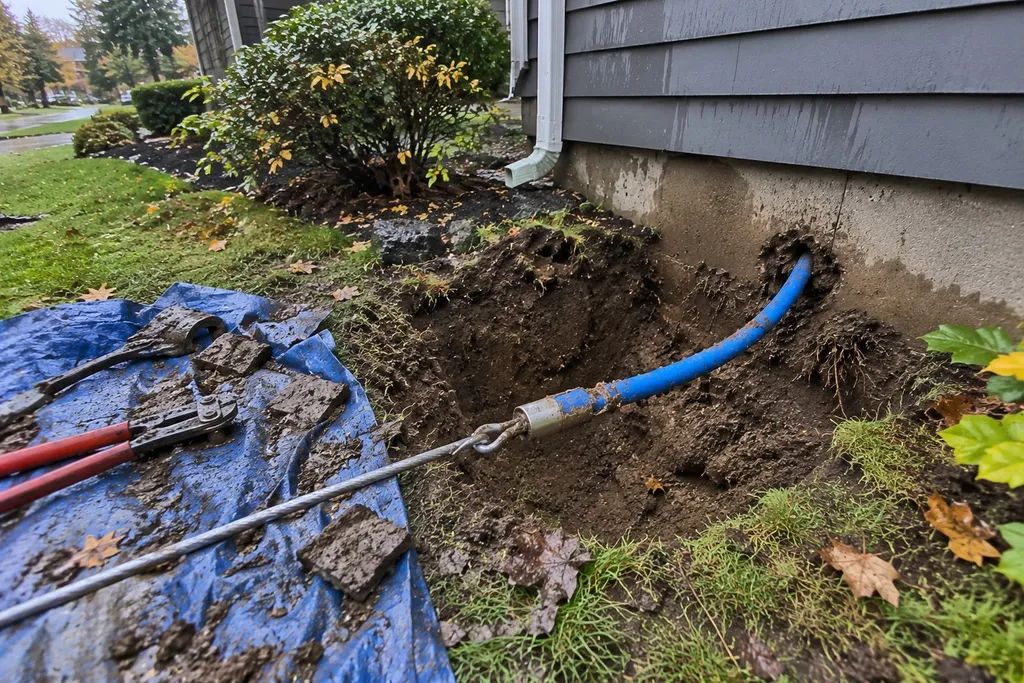
A new water line sounds like a big, messy project. It's real work, but it's usually shorter and simpler than people expect. Here's how a typical replacement goes, so you know what's coming and nothing catches you off guard.
Before the work day, a few small things make it go smoother:
- Move cars out of the driveway if the line runs under or near it.
- Mark any sprinkler heads, buried lighting, or invisible dog fences you know about. Utility marking won't catch those.
- Fill a few pitchers or jugs with drinking water, and fill a bucket for flushing toilets.
- Keep pets and kids inside or away from the work area.
- Give your neighbors a heads up if the work will be close to their property line.
On the day itself, the water to your house gets shut off at the meter. Plan on going without running water for part of the day. Most families just treat it like a day out of the house or a day of takeout.
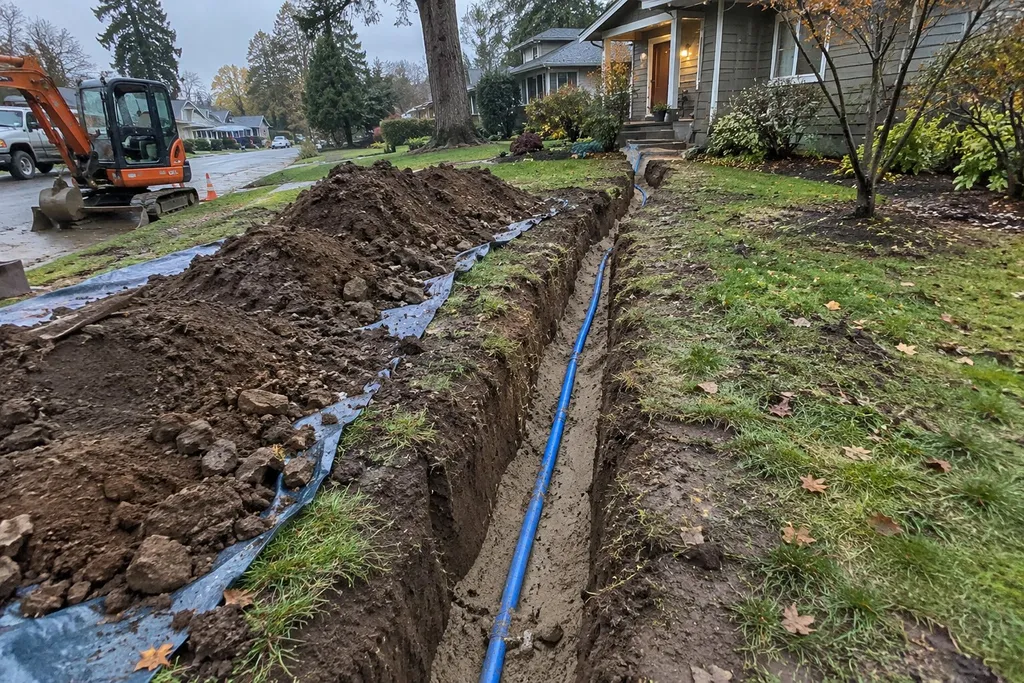
Next comes getting the new pipe in the ground. There are two common ways to do it. The traditional way is to dig a trench along the path of the old line, lay the new pipe, and connect it at the meter and at the house. On some homes, a trenchless method can be used instead. That means digging a small pit at each end and pulling or boring the new pipe through underground. It can save a lawn, walkway, or driveway from being torn up. Whether trenchless will work depends on your soil, what's in the way, and the condition of the old line. It's worth asking about, but it's not right for every yard.
Once the new line is connected, the inspection happens before anything gets covered up, as we covered in the permit section. After it passes, the trench or pits are filled back in and packed down.
When the water comes back on, it's normal to notice a few things for a little while:
- Faucets may sputter or spit air at first. Let them run for a few minutes.
- Water might look cloudy or a little discolored at the start. Run your cold taps until it clears.
- Bits of debris can catch in faucet screens. If one sink runs weak afterward, unscrew the tip and rinse it out.
- Your water pressure may feel stronger than before, especially if your old pipe was clogged with rust.
Your yard will need a little time too. Filled dirt can settle over the next few weeks, so a low spot might show up along the trench line. Topping it off with soil and reseeding usually takes care of it. Ask up front how much yard repair is part of the job, so you know what's left for you to do.
A week or so later, try the meter test from earlier one more time. With everything off, the dial should sit still. That's your sign the new line is doing its job, and you can stop worrying about the next wet spot in the lawn.
Common Questions
Frequently Asked Questions
How deep does a water line need to be buried in Oregon?
+
Water lines in Oregon are typically buried below the local frost line, which is deeper than 18 inches in most areas. Your local building department sets the exact depth required for your address, so check with them before digging starts. Burying a line too shallow can leave it at risk of freezing or damage from yard work and foot traffic. This is one more reason the permit inspection matters, since the inspector confirms the pipe is buried at the right depth before the trench gets filled back in.
What drives the overall cost of a main water line replacement?
+
The biggest cost drivers are the length of the line, what's sitting on top of it, and how deep and hard to reach the pipe is. A line running under a driveway or mature tree costs more to replace than one under open lawn. Rocky or hard-packed soil also slows down digging and adds time. Ask for a clear breakdown of these factors before you agree to a flat-rate or time-and-materials quote, so you know exactly what's driving your price.
Troutdale, Oregon
Related Troutdale Services
Need Plumbing Help?
Get Help Today from
Bigfoot Plumbing
Troutdale, Fairview, Wood Village, Gresham and the homes east toward Corbett. Call the Troutdale number and talk to someone who does this for a living.
10% Off for Veterans · First Responders · Seniors