
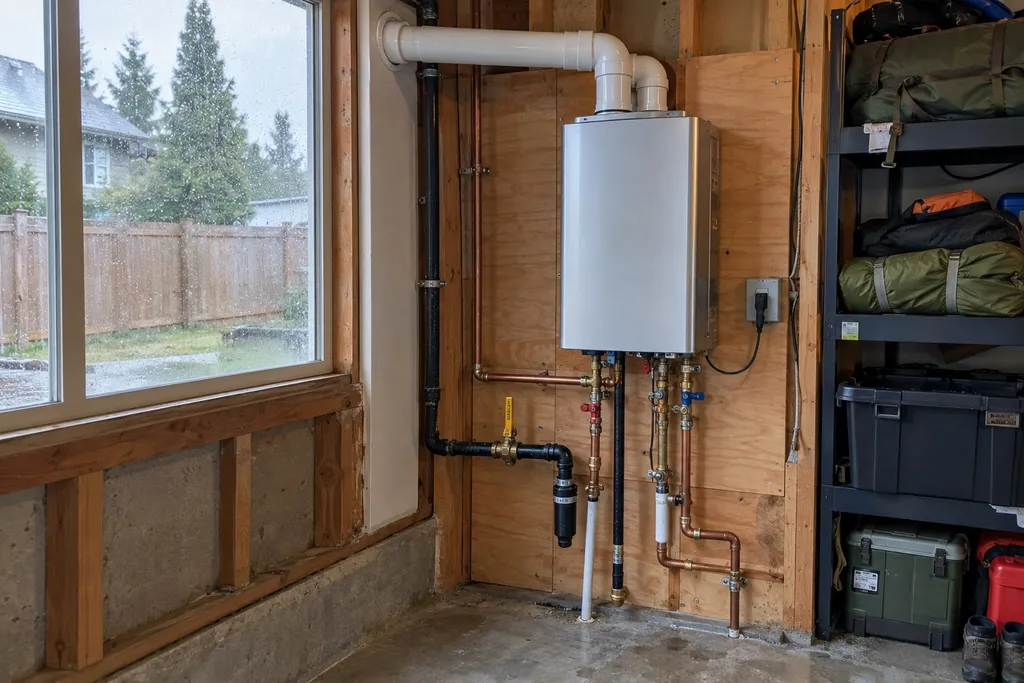
Tankless Water Heater Installation
Tankless Water Heater Installation in Troutdale
Honest, reliable plumbing for Troutdale, Oregon and the east side of Multnomah County.
CCB# 257405
Licensed · Bonded · Insured
20 Yrs
Experience
Family
Owned & Operated
Troutdale, OR
East County Crew
What's Covered on This Page
- Tankless Installation Starts With Checking Your Home's Readiness, Not the Unit
- Older Homes Near Troutdale's Historic Corridor Often Need Gas Line or Venting Upgrades
- A Permit and Inspection Are Standard for This Job in Oregon
- Sizing a Tankless Unit for Year-Round Performance in This Climate
- Why a Tankless Installation Estimate Follows an In-Home Assessment
- How long does a tankless water heater installation take?
- Can I keep my old water heater location for the new tankless unit?
- Will a tankless water heater work during a Troutdale winter?
- Do I need to upgrade my gas meter for a tankless heater?
Need Tankless Water Heater Installation in Troutdale?
Tankless Water Heater Installation
Tankless Installation Starts With Checking Your Home's Readiness, Not the Unit
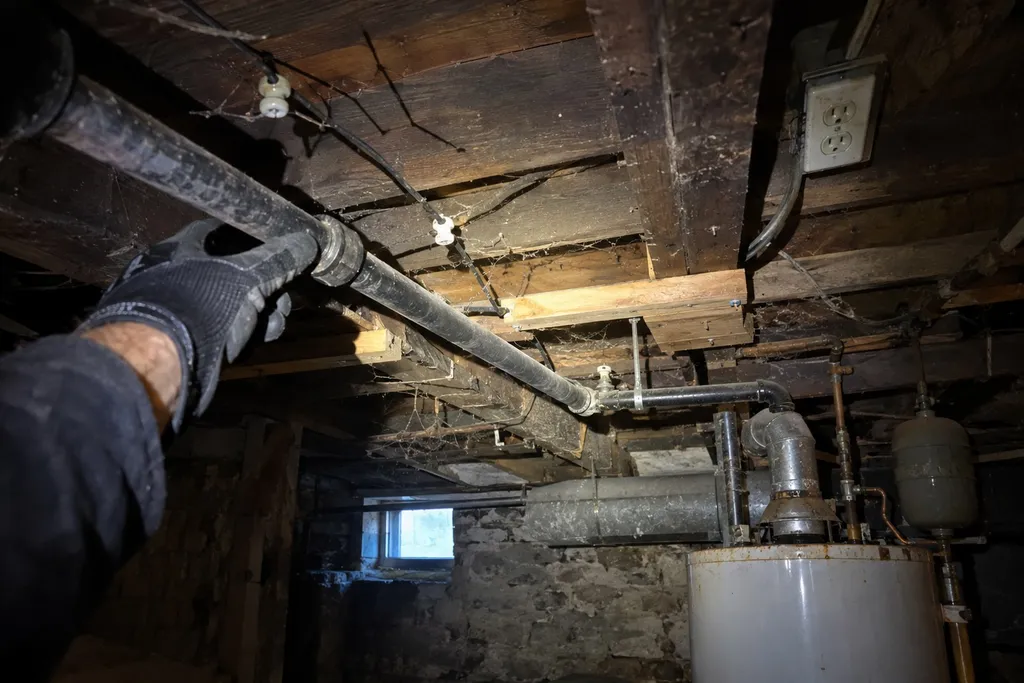
Tankless water heater installation isn't really about the box on the wall. It's about whether your house is ready to feed that box what it needs. A tankless unit heats water only when you turn on the tap. That's what makes it work so well. It also means it asks a lot from your home all at once. If your gas line, venting, or power can't keep up, even a great unit will let you down.
So before we talk models, we look at your home. Here's what we check and why it matters to you.
- Your gas line. A gas tankless heater burns a lot of fuel in a short burst. Many older homes have gas lines sized for a regular tank. If yours is too small, the heater can't fire at full strength, and your shower turns lukewarm.
- Your venting. The vent on an old tank usually can't be reused. Tankless units need their own vent pipe and a safe path outside. Where that pipe can go often decides where the heater can go.
- Your electrical. Gas units still need a nearby outlet. Electric tankless units need much more power, and some homes need panel work before one can go in.
- Your water. Minerals in water can build up inside a tankless heater over time. Knowing your water helps decide whether you'd benefit from filtration or just regular flushing.
- Your hot water habits. How many showers, sinks, and appliances run at the same time? That tells us what size unit you need, not the biggest one on the shelf.
Picture this. Your old tank starts leaking, and you decide it's time to go tankless. You pick a unit online that promises endless hot water. Then the installer finds your gas line is too small and your vent has to be rerouted. Now the job costs more and takes longer than you planned. Checking your home first means you hear about that before you buy, not after.
Sometimes the check shows a related fix makes sense. If you wait a long time for hot water at a far bathroom, a recirculation pump might help. If your water is hard on fixtures, whole-house filtration can protect the new heater. We'll mention these only when they solve a problem you have. Our family has built this business on honest work, and we won't push extras you don't need.
Kevin Brain has spent 20 years in plumbing. That time has taught one simple lesson: the quality of a tankless job comes down to the prep work. Bigfoot Plumbing is licensed, bonded, and insured in Oregon (CCB# 257405). When we look at your home, we'll tell you straight whether tankless is a good fit, what has to change to make it work, and when a regular tank might still be the smarter choice.
Tankless Water Heater Installation
Older Homes Near Troutdale's Historic Corridor Often Need Gas Line or Venting Upgrades
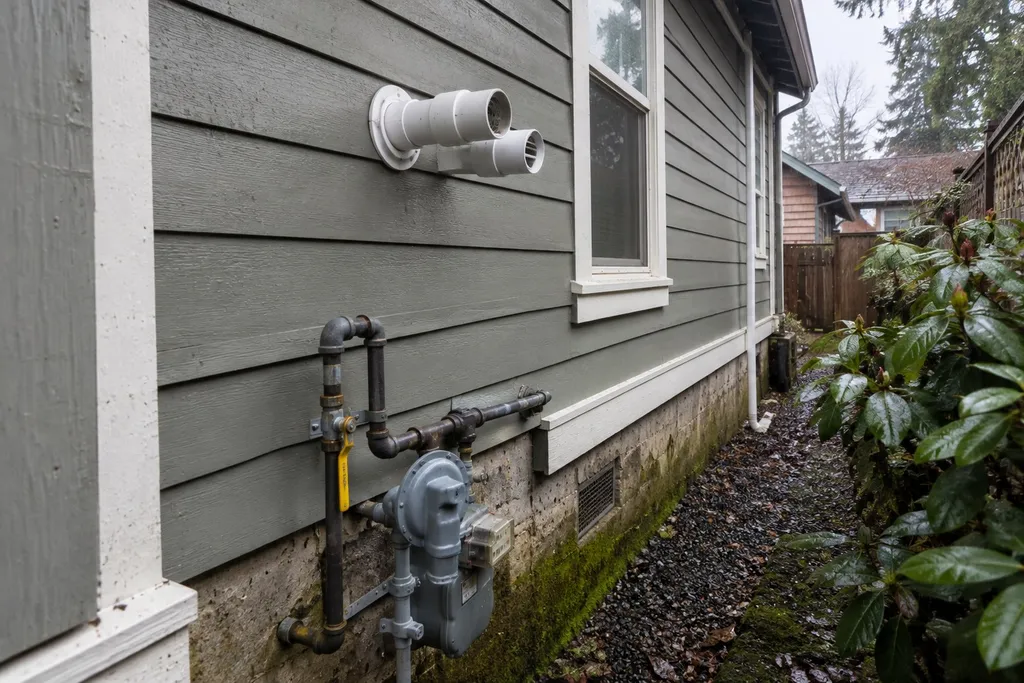
Troutdale has a real mix of homes. Some are newer builds out in the subdivisions. Others are older houses near the historic downtown along the Columbia River Highway, where our shop sits. If you live in one of the older ones, the gas line and vent checks we talked about above matter even more. Those homes were set up for the water heaters of their day, not for a unit that fires up hard every time you turn on the tap.
That doesn't mean tankless is off the table. It just means the job may include a little more than swapping one heater for another. Here's what that can look like.
- A new gas run. If the pipe feeding your old tank is too small, we may need to run a larger line from the meter to the heater. How long that run is, and whether it goes through a crawlspace, basement, or finished wall, makes a big difference in the work.
- A check on your gas meter. Your meter has to handle the tankless unit plus your furnace, range, and anything else on gas. If it can't, your gas utility may need to look at it before the install.
- A dedicated vent. Older water heaters often share a chimney or flue with the furnace. A tankless unit can't use that. It needs its own vent pipe going outside, and that path has to stay within the length the maker allows.
- Safe clearances outside. The vent has to end a set distance from windows, doors, and other openings. On a small older lot, or a house built close to the neighbors, that can limit where the heater goes.
Location adds one more thing to think about. Troutdale sits at the mouth of the Columbia River Gorge, and winter east winds here can be strong and cold. When we plan where your vent ends, we think about which side of the house takes that wind. Cold winter water also means the heater has to work harder to warm it, so we size your unit for January mornings, not just summer ones.
These upgrades are a big reason tankless quotes can vary so much from one house to the next. The unit itself is only part of the picture. A longer gas run, a new vent path through a wall or roof, and patching afterward all add time and materials. A permit and inspection are also usually part of a water heater install, so ask whether your quote includes them.
When you're comparing quotes, a few honest questions help. Did the installer check your gas line and meter? Do they know where the new vent will go? Is the gas and vent work spelled out, or left for later? A quote that skips those details can look cheaper at first and cost more on install day.
Sometimes the upgrades turn out to be bigger than they're worth for your home. If that's the case, we'll say so. A well-sized tank or a heat pump water heater might fit your house and budget better, and you deserve to hear that up front.
Tankless Water Heater Installation
A Permit and Inspection Are Standard for This Job in Oregon
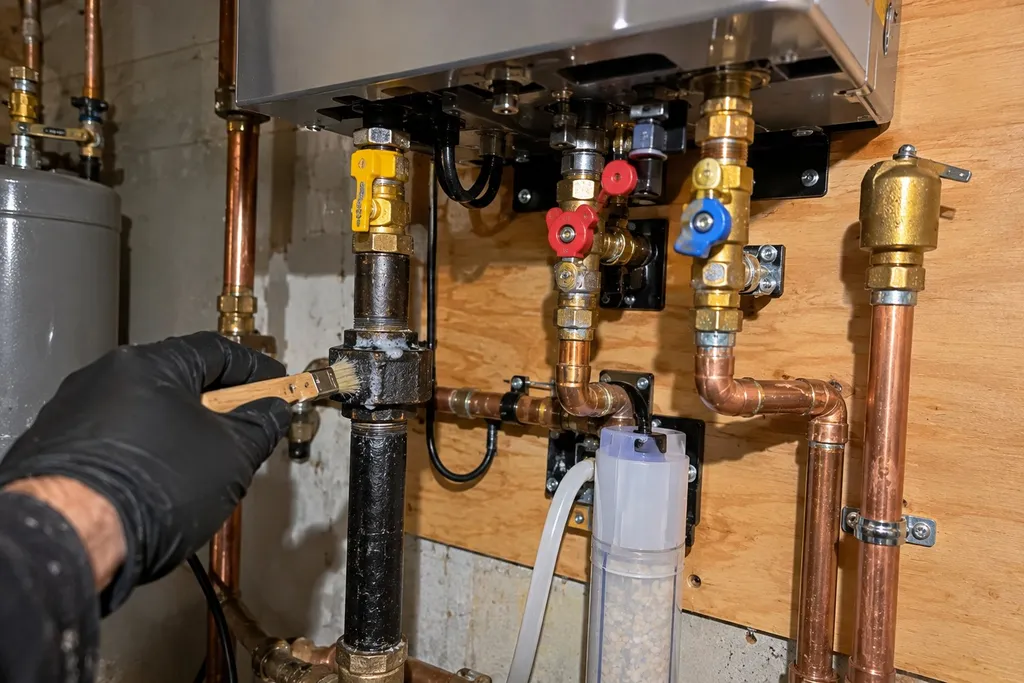
In Oregon, swapping a water heater isn't just a plumbing chore. It's permitted work. Going tankless often adds gas line changes, a new vent, and sometimes electrical work, so this step is part of doing the job right. In Troutdale, that means the work gets checked by a local inspector after it's in.
Some folks see a permit as paperwork that slows things down. We get it. But think about what a tankless heater does. It burns a lot of gas fast and pushes exhaust out of your house through a vent pipe. If a gas fitting leaks or a vent joint comes loose, the problem can be silent. A second set of eyes on that work protects your family.
Here's what an inspector usually looks at on a tankless install:
- Gas piping. Is the line sized for the heater, and does it hold pressure with no leaks?
- Venting. Is the vent the right type, sealed at every joint, and ending a safe distance from windows and doors?
- Water connections. Are the shut-off valves and the pressure relief valve in place and piped the right way?
- Electrical. Does the unit have the proper power supply, whether that's a simple outlet or a bigger circuit?
- Clearances. Is there enough room around the heater for safe operation and future service?
The permit also helps you down the road. If you sell your home someday, a buyer's inspector may ask about a newer water heater. Unpermitted gas or vent work can raise questions, slow a sale, or mean opening things back up. If you ever file an insurance claim tied to the heater, a finished inspection shows the work was done to code.
So what should you expect? Plan on the inspection happening after the heater is installed and running. Someone usually needs to give the inspector access to the heater, the gas line, and where the vent exits the house. If the inspector asks for a change, it gets fixed and checked again. That's how the system is meant to work.
When you're getting quotes, ask plainly:
- Is the permit included in the price, or extra?
- Who's responsible for scheduling the inspection?
- If the inspector asks for a fix, who covers it?
Be careful with any installer who offers to skip this step to save you money. That savings can come back as a failed home sale inspection, a safety problem, or a job that has to be redone. Bigfoot Plumbing is licensed, bonded, and insured in Oregon, CCB# 257405, and we think doing the job by the book is part of treating your home like our own.
Tankless Water Heater Installation
Sizing a Tankless Unit for Year-Round Performance in This Climate
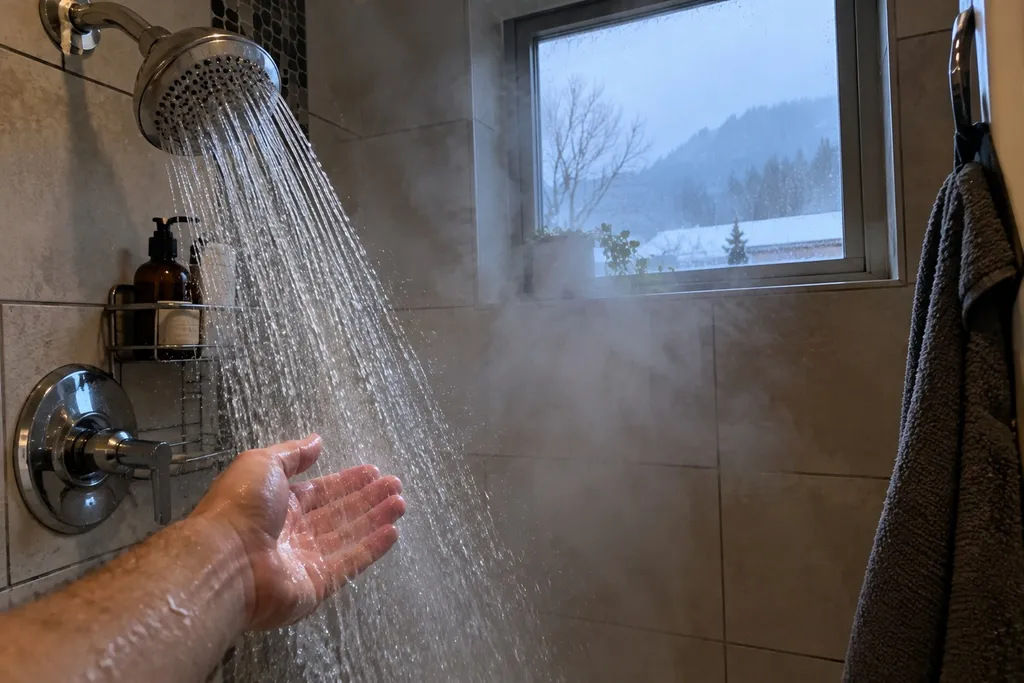
A tankless heater doesn't store hot water, so its size isn't measured in gallons like a tank. It comes down to two questions. How much hot water does your home use at the same time? And how much does the heater have to warm that water on the way through? Get both right and you'll have steady hot water in July and January. Guess wrong and you'll feel it on the coldest mornings.
The first question is about your busiest moment, not your average day. Think about a school morning. One person's in the shower, someone else is at the bathroom sink, and the dishwasher is running. A tankless unit has to handle all of that flow at once. That's why we ask about your family's routine instead of just counting bathrooms.
The second question is where the season comes in. The water coming into your home is much colder in winter than in summer. The heater has to raise it from that cold starting point to a comfortable shower temperature. The bigger that jump, the less hot water any unit can make each minute. A heater that keeps two showers going easily in August might only keep up with one in February.
So we size for the hard days. Here's what that means in practice:
- We plan around winter water, not summer water. If it works in January, it'll work all year.
- We count the fixtures and appliances you really run together, not every fixture in the house.
- We look at where your bathrooms are. A far bathroom might be better served by a recirculation pump than by a bigger heater.
- We match the size to what your gas line can supply, which ties back to the checks we covered earlier.
Bigger isn't always better, either. An oversized unit costs more up front and may need a larger gas line or meter work that you didn't need to pay for. Tankless heaters also need a certain amount of flow before they turn on. That means a little trickle at the sink won't start them. The right size is the one that covers your real peak use with a little room to spare. It isn't the biggest one on the shelf.
Electric tankless units deserve an honest word here. Warming cold winter water takes a lot of power. A whole-house electric model can fall short in a busy home on a cold day, even with a panel upgrade. Electric units can work well for a small home or a single far bathroom. If yours needs more than that, we'll tell you plainly whether gas, a tank, or a heat pump water heater makes more sense.
With 20 years in the trade, Kevin Brain has learned that most tankless complaints trace back to sizing. Either the unit was too small for winter or too big for the gas supply. Taking a few extra minutes to ask about your household now saves you a cold shower later.
Tankless Water Heater Installation
Why a Tankless Installation Estimate Follows an In-Home Assessment
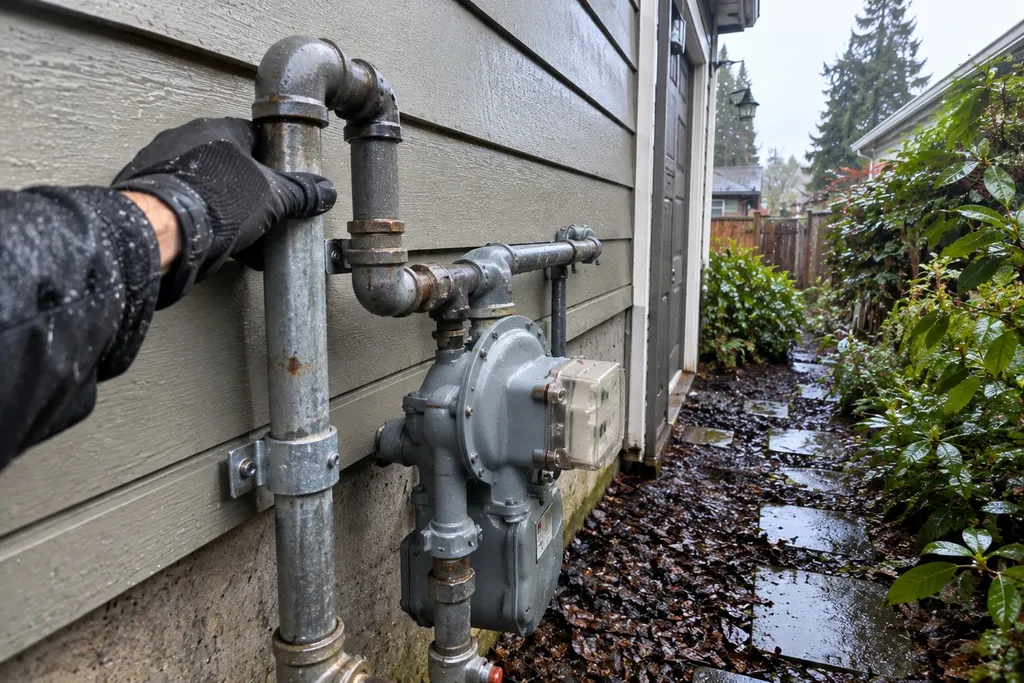
You can look up the price of a tankless heater online in about a minute. The rest of the job is harder to price. It depends on what's already in your house, and nobody can see that over the phone. Two homes on the same Troutdale street can get very different quotes. One might have a gas line that's ready to go and a short vent path to an outside wall. The other might need a new gas run, a new vent through the roof, and some drywall patching afterward. Same unit, very different job.
Here's how a phone quote can go wrong. Say you call three companies, and one gives you a number right away. It's the lowest, so you book it. That number assumed your gas line was big enough and your vent had an easy way out. On install day, the installer finds out neither is true. Now there are "extras," and you're deciding under pressure with no hot water. A quick look at your home first keeps you out of that spot.
A fair tankless estimate should spell out each part of the job, so you can see where your money goes. Look for these items:
- The unit size, and why that size fits your household
- Any gas line or gas meter work, and how far the new line has to run
- Where the vent will go and where it will exit the house
- Any electrical work, from a simple outlet to a bigger circuit
- Whether the permit and inspection are included
- Removing and hauling away your old heater
- Any patching of walls, ceilings, or the roof afterward
- Optional add-ons listed on their own lines, so you can say yes or no to each one
If a quote lumps all of that into one number with no details, ask for the breakdown. A good installer won't mind.
You can help the visit go smoothly with a few simple things:
- Clear a path to your current water heater, your gas meter, and your electrical panel
- Think about your busiest hot water moment, like a school morning with showers and the dishwasher going
- Write down any problems, such as lukewarm showers, long waits for hot water, or rusty-looking water
- Snap a photo of the label on your old heater, since it shows the size and fuel type
Sometimes the honest answer from an assessment is "not tankless." If the upgrades cost more than they're worth for your home, that's good to know before you spend a dime. You'll still leave with a clear picture of your options, whether that's tankless, a new tank, or a heat pump water heater.
We're a family-owned business, and we price our work the way we'd want our own family to be treated. That means fair pricing, no upselling, and a straight answer about what your home really needs. If you're a veteran, a first responder, or a senior, Bigfoot Plumbing offers 10% off, so be sure to mention it when you call.
Common Questions
Frequently Asked Questions
How long does a tankless water heater installation take?
+
It depends on whether your home needs gas line or venting upgrades. A straightforward swap with an existing gas line and easy vent path takes less time than a job needing a new gas run or a vent routed through the roof. That's why we check your gas, venting, power, and water setup before giving you a timeline, so you know what to expect before install day.
Can I keep my old water heater location for the new tankless unit?
+
Sometimes, but it depends on your vent path and clearances. A tankless unit needs its own dedicated vent pipe ending a safe distance from windows and doors, which can rule out the old spot on a small lot or a house built close to neighbors. We walk through your home first to find a location that works for both the vent requirements and your gas line.
Will a tankless water heater work during a Troutdale winter?
+
Yes, if it's sized for winter water temperatures, not summer ones. Troutdale sits at the mouth of the Columbia River Gorge, where winter east winds are strong and cold, and incoming water is much colder too. We size your unit around your coldest January morning so it keeps up when you need it most, not just when the weather is mild.
Do I need to upgrade my gas meter for a tankless heater?
+
Possibly, since your meter has to handle the tankless unit plus your furnace, range, and anything else running on gas. If the existing meter can't supply enough gas for all of it, your gas utility may need to inspect or upgrade it before installation. This is one of the checks we do upfront so it doesn't become a surprise mid-project.
Troutdale, Oregon
Related Troutdale Services
Need Plumbing Help?
Get Help Today from
Bigfoot Plumbing
Troutdale, Fairview, Wood Village, Gresham and the homes east toward Corbett. Call the Troutdale number and talk to someone who does this for a living.
10% Off for Veterans · First Responders · Seniors