
Low Water Pressure Repair
Low Water Pressure Repair in Troutdale: Quick Fix or Failed Part?
Honest, reliable plumbing for Troutdale, Oregon and the east side of Multnomah County.
CCB# 257405
Licensed · Bonded · Insured
20 Yrs
Experience
Family
Owned & Operated
Troutdale, OR
East County Crew
What's Covered on This Page
- Single Fixture or Whole-House: Find the Real Cause First
- When You Can Fix It Yourself
- Signs the Problem Is Bigger Than a Clogged Fixture
- Why a Failing Pressure Regulator Is a Common Culprit
- What Happens During a Low Water Pressure Diagnostic Visit
- How long does it take to find the cause of low water pressure?
- Can low water pressure fix itself over time?
- Is low water pressure ever caused by the city, not my house?
- What should I check before calling a plumber about low pressure?
Need Low Water Pressure Repair in Troutdale?
Low Water Pressure Repair
Single Fixture or Whole-House: Find the Real Cause First
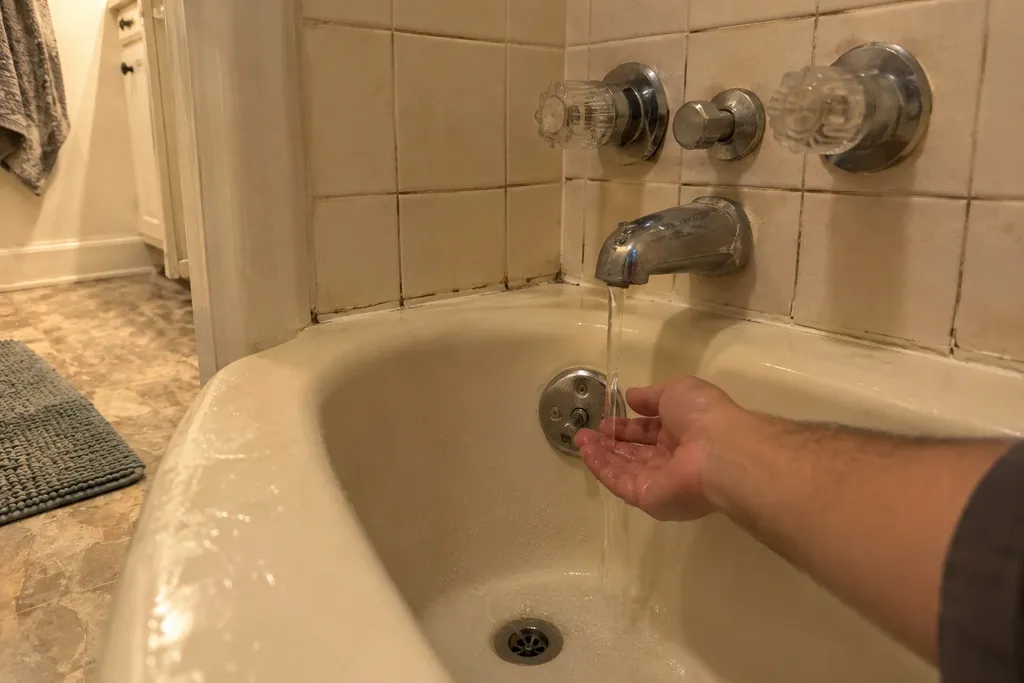
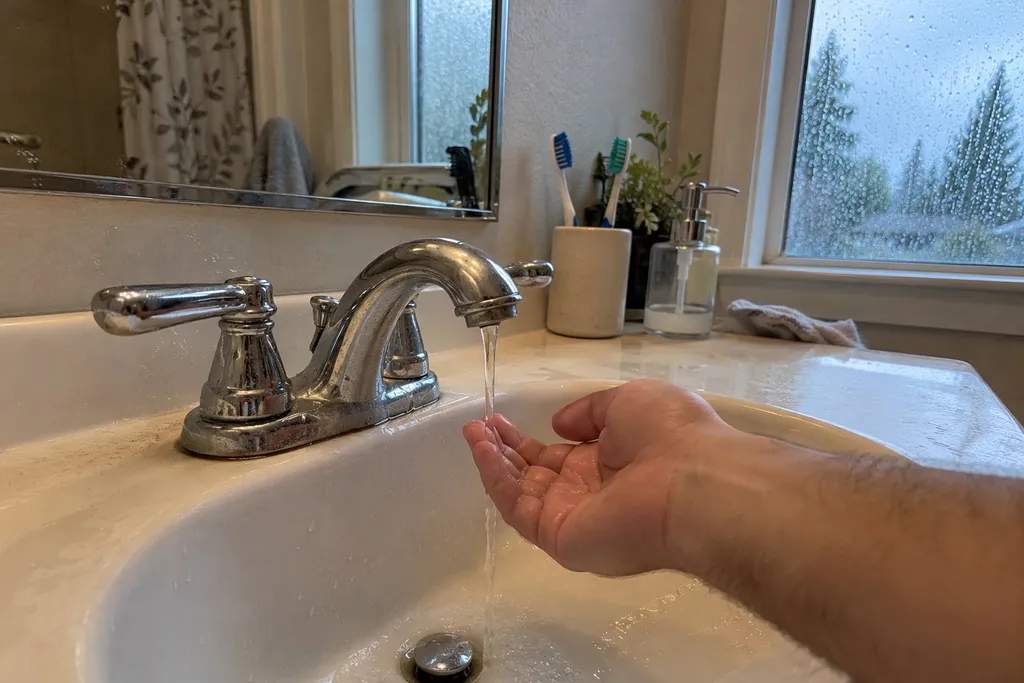
Before anyone touches a wrench, there's one question that saves you time and money on low water pressure repair in Troutdale. Is it one fixture, or is it the whole house? That answer cuts the list of possible causes in half. It also tells you if this is a quick fix or something worth a closer look.
Here's a simple way to check. Turn on the cold water at the kitchen sink. Then try a bathroom sink, the tub, and an outside hose bib if you have one. Try hot and cold at each spot. You're just looking for a pattern.
If only one faucet or shower is weak, the problem is almost always at that fixture or the short run of pipe feeding it. Common culprits include:
- A clogged aerator or showerhead packed with mineral buildup
- A worn cartridge or valve inside the faucet
- A shutoff valve under the sink that's partly closed
- A kinked or failing supply line
These are small problems. Some you can handle yourself, like unscrewing and cleaning an aerator. Others call for a simple faucet repair. Either way, there's no reason to worry about your whole plumbing system over one slow tap.
If only the hot water is weak, look at the water heater side. Sediment in the tank, a partly closed valve on the heater, or a problem with the hot water lines can all choke flow while the cold side runs fine. That's a different repair than a whole-house pressure problem, so it's worth noticing.
If every fixture is weak, hot and cold, the cause sits farther upstream. Now you're looking at things like:
- A pressure regulator that's failing or set too low
- A main shutoff valve that isn't fully open
- A hidden leak somewhere on the line, stealing water before it reaches your taps
- Older pipes that have narrowed inside from corrosion and scale
- A problem on the city side, which is outside your home's plumbing
This is where guessing gets expensive. Picture a homeowner whose showers have slowly gotten weaker over a year. They replace two showerheads and a faucet. Nothing changes, because the real problem was a worn regulator the whole time. Each part was fine. The fix just wasn't aimed at the cause.
A quick tip: if your neighbors on the same street suddenly lost pressure at the same time, call the water provider first. That points to the supply, not your house, and it's not something a plumber can fix.
Each whole-house cause has its own fix. A bad regulator calls for water pressure regulator replacement. A hidden leak needs leak detection to find it without tearing into walls. Badly corroded pipes may eventually mean repiping. Those are different jobs, with different costs. That's why it pays to know which one you're dealing with before you spend a dime.
So start with the pattern. One fixture usually means a small, local fix. The whole house means it's time to trace the problem back to where it starts.
Low Water Pressure Repair
When You Can Fix It Yourself
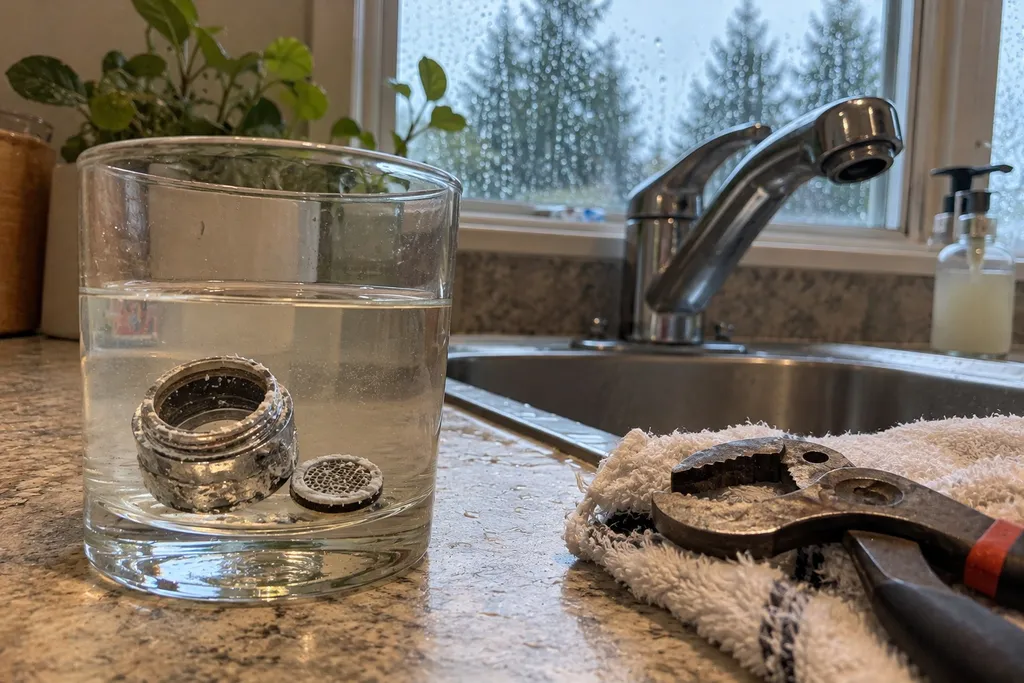
Here's the honest truth. A lot of low water pressure problems don't need a plumber at all. If your check turned up just one weak faucet or shower, try these first. Most cost little or nothing, and they take less time than waiting for someone to show up.
- Clean the aerator. That's the small screen on the tip of your faucet. Unscrew it by hand. If it's stuck, wrap a cloth around the jaws of your pliers so you don't scratch the finish. Soak it in white vinegar for a few hours to loosen the crusty buildup, then rinse it and screw it back on.
- Soak the showerhead. If you'd rather not take it off, fill a plastic bag with vinegar, tie it around the head, and leave it overnight. If it's still clogged after that, a new showerhead is a cheap swap.
- Open the shutoff valve all the way. Look under the sink or behind the toilet. These little valves get bumped when you shove cleaning supplies in the cabinet. Turn the handle counterclockwise until it stops.
- Check the supply line. The flexible hose under the sink can get kinked behind clutter. Straighten it out and give it some room.
- Make sure the main shutoff is fully open. This matters most if you or someone else turned the water off recently. If the valve won't turn easily, leave it alone. Don't force it.
To know if it worked, run that fixture again and compare it to the others in the house. If the flow matches, you're done. To keep it from coming back, clean your aerators and showerheads once in a while, especially when you start to see white crust around the openings.
If only your hot water is weak, check that the valve on the cold supply line going into the water heater is fully open. Flushing sediment out of the tank is a bigger job. If you're not comfortable with it, that's what water heater maintenance is for.
There are also a few jobs we'd steer you away from, even if you're handy:
- Turning the adjustment screw on a pressure regulator
- Cutting into pipes or swapping old valves
- Forcing a stuck valve that hasn't moved in years
Old valves can snap or start leaking once you move them. When that happens, a slow faucet turns into a wet floor fast. It's also time to stop if cleaning didn't help, if every tap in the house is weak, or if you notice water stains, damp spots, or a hissing sound with everything turned off. Those signs point past a quick fix.
We'd rather you spend ten minutes and a cup of vinegar than pay for a visit you didn't need. If you've tried the easy stuff and the pressure's still weak, it's time to look closer.
Low Water Pressure Repair
Signs the Problem Is Bigger Than a Clogged Fixture
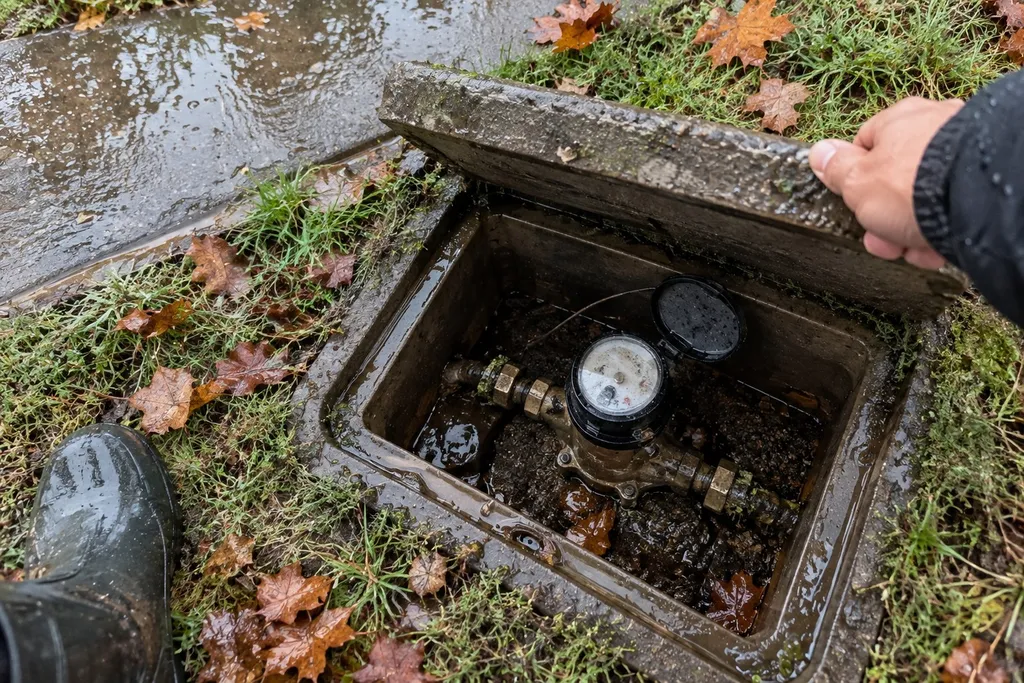
So you cleaned the aerator, opened the valves, and the pressure's still weak. That's useful information. It tells you the cause is probably somewhere in the plumbing itself. The good news is your house usually leaves clues, and each one points toward a different repair.
Your water meter moves when nothing's running. This is the easiest test you can do. Make sure every faucet, toilet, and appliance is off and nobody's using water. Look at the meter and note where the dial or the little leak indicator sits. Wait an hour without using any water, then check again. If it moved, water is going somewhere you can't see. A hidden leak steals pressure before the water ever reaches your taps. A water bill that keeps creeping up while your habits haven't changed is the same clue showing up in your mailbox.
You feel a warm spot on the floor. If part of a floor feels oddly warm under bare feet, or you hear water running when the house is quiet, a hot water line under the slab may be leaking. That's its own job, called slab leak repair, and it's worth catching early. It belongs with the damp spots and hissing sounds we flagged earlier.
The pressure faded slowly over months or years. A clog tends to show up fast. A slow, steady decline is different. It usually means the pipes are narrowing inside from scale and corrosion, or a regulator is wearing out a little at a time. New showerheads won't fix either one.
The water looks rusty or cloudy. Brown or orange water along with weak flow often points to older steel pipes rusting from the inside. As that rust builds up, there's less room for water to move. Run the cold tap for a minute. If the color clears, note it anyway. It's a helpful detail to share.
Pressure crashes when a second fixture runs. Your shower is fine until someone flushes a toilet or starts the dishwasher, then it drops to a trickle. A little dip is normal. A big drop means the system can't keep up, because of restricted pipes, undersized lines, or a regulator that isn't doing its job.
Pressure swings up and down. If your water is weak one day and strong the next, or it surges and drops during a single shower, the regulator is a likely suspect. It's usually a bell-shaped valve near where the main line enters your home.
Here's why these clues matter. A hidden leak, a worn regulator, and corroded pipes are three different repairs, with different price tags. If you call a plumber, share what you've noticed. Then ask a few simple questions before you agree to any work:
- What do you think is causing this, and how did you rule out the other options?
- Can you show me what you found?
- Is there a smaller fix we can try before a bigger one?
An honest plumber should be glad to answer all three. If someone jumps straight to replacing everything without explaining why, that's your cue to slow down and get a second look.
Low Water Pressure Repair
Why a Failing Pressure Regulator Is a Common Culprit
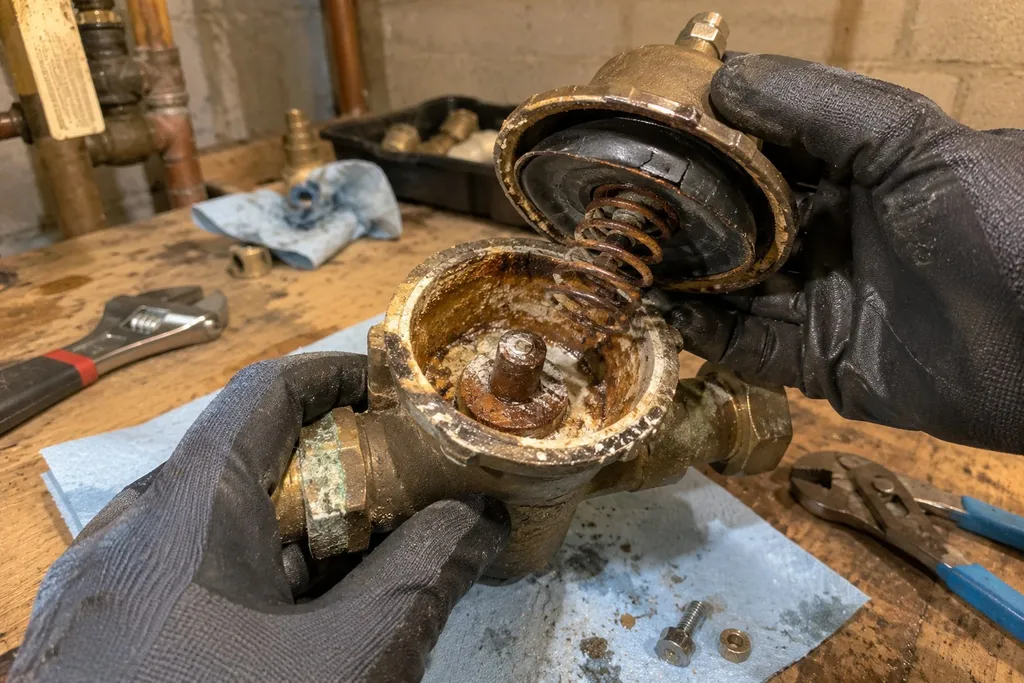
Not every home has a pressure regulator. If yours does, it's one of the first things worth checking when every tap runs weak. Its job is simple. Water often comes in from the street at higher pressure than your pipes and fixtures should handle. The regulator lowers it to a safe, steady level before it reaches the rest of the house.
Inside that valve are a spring and a rubber diaphragm. They work every time you turn on a faucet. Over the years the spring gets tired, the diaphragm stiffens, and mineral buildup or small debris can keep parts from moving freely. Like a car's brakes, it wears out from doing its job. It just does it quietly, so most people forget it's there.
Here's the part that surprises people. A worn regulator can fail in two directions.
- It fails low. The valve stays partly closed, so the whole house gets weak flow. Showers feel thin, and filling a tub takes forever.
- It fails high. The valve lets too much pressure through. You might hear pipes bang when a faucet shuts off, notice a toilet that keeps running, or see faucets that drip no matter how many washers you replace. Too much pressure is hard on fixtures, supply lines, and your water heater, even if the flow feels great.
There's an easy way to get real numbers instead of guessing. Most hardware stores sell a simple pressure gauge that screws onto an outdoor hose bib. With all the water in the house off, thread it on, open the spigot, and read the dial. Then check it again first thing the next morning. If the reading is much lower than you'd expect, or it creeps higher overnight while no one used water, that's a strong sign the regulator isn't holding steady. Write the numbers down. They'll help any plumber you call skip the guesswork.
Sometimes a regulator is just set too low and only needs a small adjustment by someone who knows the system. But if it's worn inside, adjusting it only hides the problem for a while. In that case, water pressure regulator replacement is the real fix, and it's usually a smaller job than chasing leaks or replacing pipes.
If you're wondering what drives the cost, a few things matter most:
- How easy the valve is to reach, whether it's out in the open or tucked in a crawl space or behind a wall
- The size and type of the valve your main line needs
- Whether the shutoff valves next to it still work, or need replacing too so the water can be turned off safely
- Whether your system needs an expansion tank to handle pressure from heated water once the regulator closes off the line
That last point is worth asking about. Some regulators keep heated water from easing back toward the street. When that's the case, an expansion tank installation gives that extra pressure somewhere safe to go. A good plumber will tell you plainly whether your home needs one or not.
With 20 years in plumbing and a license you can look up under CCB# 257405, we test first and show you the reading before we suggest any part.
Low Water Pressure Repair
What Happens During a Low Water Pressure Diagnostic Visit
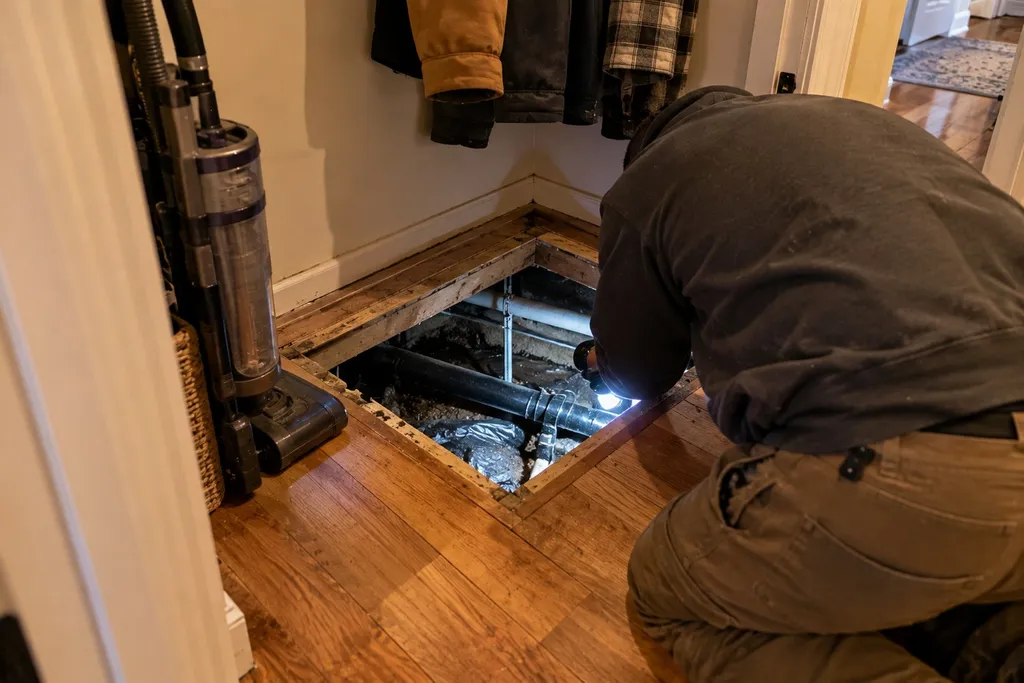
A good diagnostic visit has one job: find the cause before anyone sells you a part. No matter who you hire, a thorough check should cover these basics.
- Confirm the pattern. The plumber should run several fixtures, hot and cold, and ask what you've already tried. If you did the meter or gauge checks from earlier, share your numbers.
- Measure the pressure two ways. Take one reading with everything off and another with water running. That shows whether pressure is low all the time or only drops when you use water.
- Check the main shutoff and the regulator. Making sure the main valve is fully open and the regulator is holding steady rules out two common causes quickly.
- Look for signs of a hidden leak. That means checking the meter, under sinks, around the water heater, and anywhere you've noticed damp or warm spots.
- Look at the pipes. Age and material matter. Older steel pipe that has narrowed inside acts differently from newer copper or plastic lines.
- Check the hot side if that's where the problem is. When only hot water runs weak, the water heater and its valves need a look.
You should leave with a clear answer in plain words. You should know what's causing the problem, how they know, and what your options are. Some causes are small, like a valve that isn't fully open. Others point to a bigger job, like leak detection or repiping. For a bigger job, you deserve to hear the reasoning before you decide anything.
Plumbers usually charge for a diagnosis in one of a few ways. Some charge a flat service call fee. Some charge by the hour. Some take the diagnostic fee off the repair if you go ahead with the work. Ask which one applies before the visit so there are no surprises. Hard-to-reach spots, like a tight crawl space or a main line behind a finished wall, can add time and cost to any repair.
A little prep makes the visit faster and keeps the guesswork down:
- Write down when the problem started and which fixtures are affected.
- Have any gauge or meter readings ready.
- Clear a path to the water heater, the main shutoff, and the crawl space hatch.
- Find out whether your neighbors have noticed a change too.
We're a family-owned plumbing company based right here in Troutdale. We're licensed, bonded, and insured under CCB# 257405, with 20 years of plumbing experience behind us. If you're a veteran, a first responder, or a senior, ask about our 10% discount.
Common Questions
Frequently Asked Questions
How long does it take to find the cause of low water pressure?
+
A thorough diagnostic visit usually takes a bit of time because it covers several checks, not just one guess. We confirm the weak-flow pattern, measure pressure with water on and off, check the main shutoff and regulator, look for hidden leaks, and inspect the pipes. Skipping steps leads to replacing parts that were never the problem, so a full check is worth the extra time.
Can low water pressure fix itself over time?
+
No, it usually gets worse, not better, especially if the cause is a worn regulator or narrowing pipes. A slow decline over months or years points to internal buildup or a regulator losing strength, and neither improves on its own. Waiting can also mean the issue quietly strains your water heater or fixtures in the meantime.
Is low water pressure ever caused by the city, not my house?
+
Yes, sometimes the problem is on the water provider's side, not your plumbing. If your neighbors lose pressure at the same time you do, that points to the supply line outside your home. In that case, calling the water provider first can save you a plumbing visit you don't need.
What should I check before calling a plumber about low pressure?
+
Check whether it's one fixture or the whole house, and write down when the problem started. Test your water meter for movement with everything off, and jot down any pressure gauge readings if you have them. Having that information ready helps a plumber skip guesswork and get to the real cause faster.
Troutdale, Oregon
Related Troutdale Services
Need Plumbing Help?
Get Help Today from
Bigfoot Plumbing
Troutdale, Fairview, Wood Village, Gresham and the homes east toward Corbett. Call the Troutdale number and talk to someone who does this for a living.
10% Off for Veterans · First Responders · Seniors